Our projects
Wind turbines
Commercial operations
Maximum capacity
Annual output
PPA partners
200k+
Homes powered
765k
Tonnes of emissions avoided
144
Direct jobs created
$42m
Regional investment


Step 1
Project identification and site selection
Identification and site selection is based on an analysis of opportunities and constraints including (but not limited to): distance to the electricity grid, wind resource and population density of the surrounding community. Our team then undertake a number of site visits and consultation with landowners in the area.
Project identification and site selection
Step 2
Project feasibility and community engagement
Site-specific investigations are undertaken to assess the impacts and opportunities of the project and feedback is sought from the local community.
Project feasibility and community engagement
Step 3
Planning Permit and EES
Prior to applying for a planning permit, a referral is made to the Victorian Minister for Planning to determine if an Environmental Effects Statement (EES) is required. If required, the EES preparation is done in parallel with the planning application. If not required, a planning application is submitted, addressing environmental and social impacts, which is also assessed by the Minister for Planning.
Planning Permit and EES
Step 4
Public exhibition and submissions report
When the Minister is satisfied that the planning application is suitable it is released for public comment. During this time the public can make written submissions.
Public exhibition and submissions report
Step 5
Assessment and development consent
The Minister for Planning may appoint a panel to evaluate the project. Hearings take place and project documents are assessed by relevant government authorities. The panel reports to the Minister for Planning with recommendations. If the project is approved, a planning permit is granted with project-specific conditions.
Assessment and development consent
Step 6
Post approval, contracting and financing
A lead contractor(s) is appointed to build the project and all pre-construction approvals and consents are finalised. During this phase the lead contractor(s) is provided with a list of local businesses that have registered their interest and capabilities through the project website.
Post approval, contracting and financing
Step 7
Procurement
During this phase our lead contractor(s) seek tenders and engage contractors and suppliers to undertake the scope of the works. Orders are then placed for major components such as the wind turbines.
Procurement
Step 8
Early works and design
Initial site activities commence, such as minor clearing and provision of access roads along with establishing a site construction compound. Off-site detailed design works commences in parallel.
Early works and design
Step 9
Major civil works
During this phase of the construction the bulk of the civil works takes place. This includes the construction of new internal access roads, excavation and construction of the turbine foundations, installation of the internal electrical reticulation system, construction of the high voltage substation and main transmission line network.
Major civil works
Step 10
Wind turbine erection
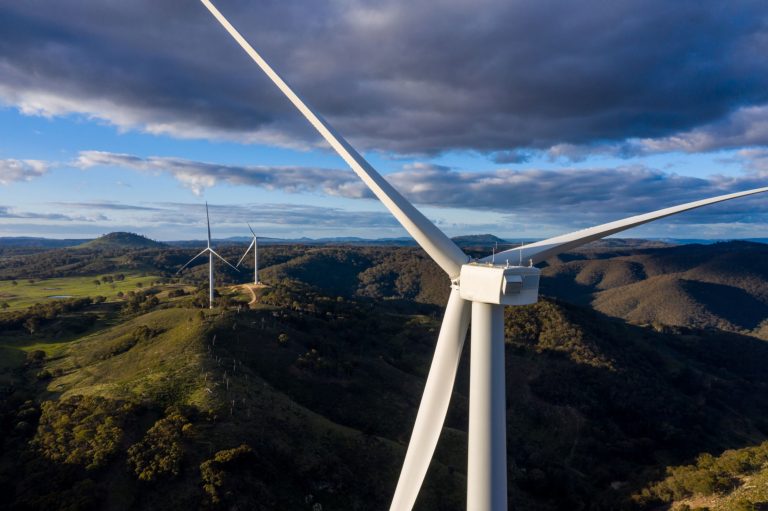
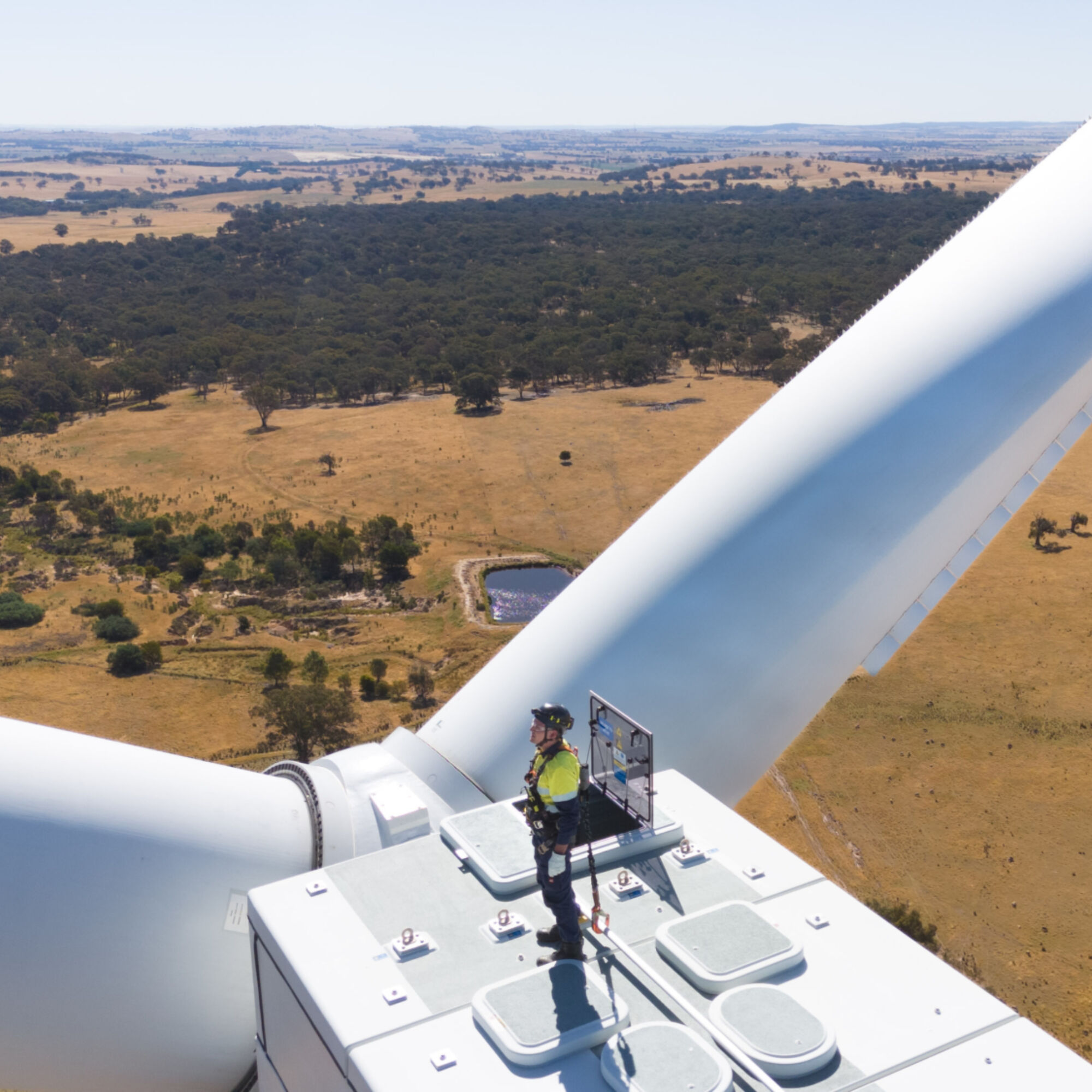
This is where the visual aspect of the wind farm starts to emerge, with large cranes lifting the tower sections, nacelle, hub and blades into place.
Wind turbine erection
Step 11
Commissioning
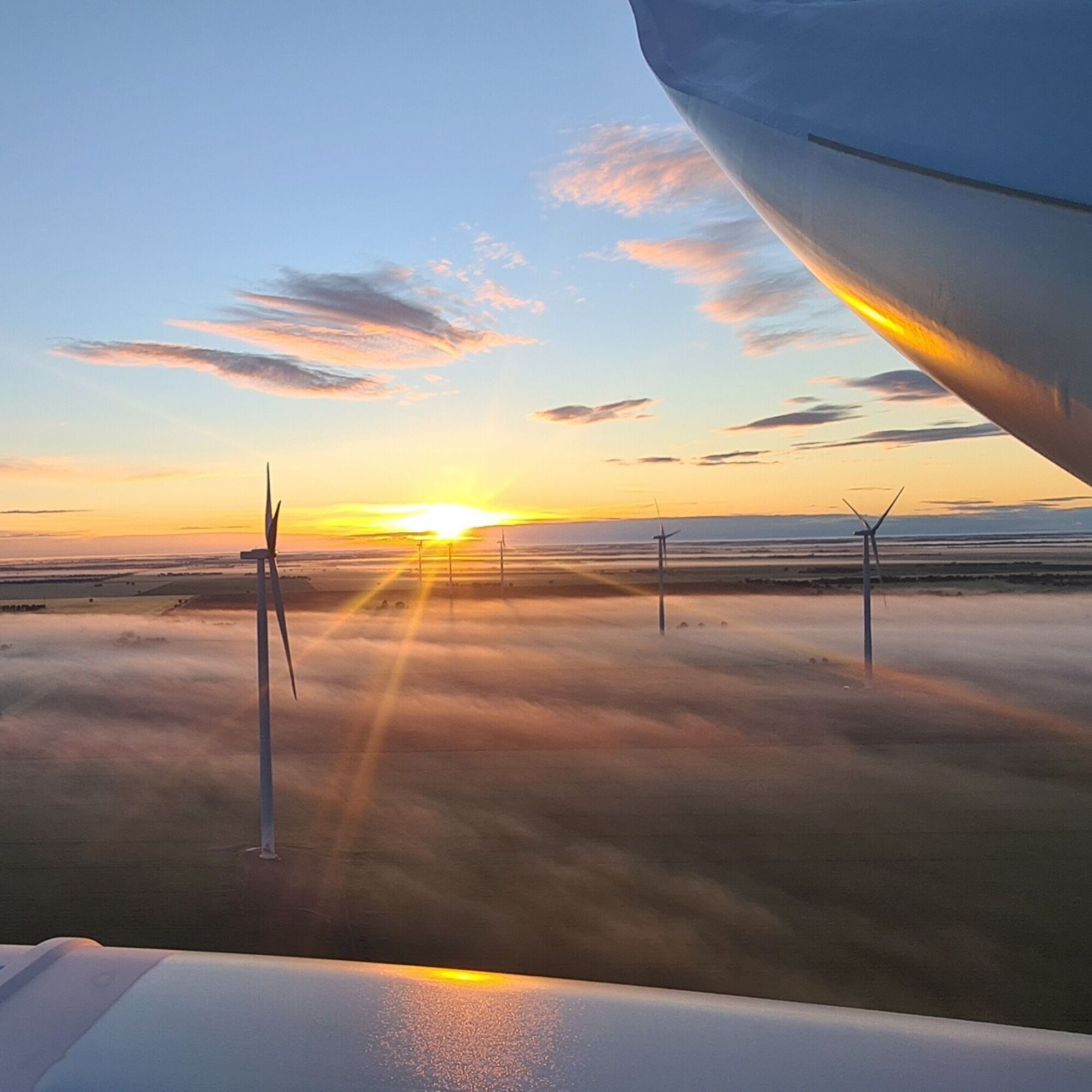
In order to export power to the grid, each turbine is required to undergo several performance tests. It is during this stage that you will start to see turbines spinning and ultimately the whole of the wind farm complete.
Commissioning
Step 12
Operations
The project is operating in accordance with relevant approval conditions and management plans. Compliance with conditions of approval and management plans is monitored as required throughout the life of the project.
Operations
Step 13
Decommissioning
The design life of the wind turbines will be at least 30 years. At the end of their useful life, the wind turbines and electrical equipment will be either replaced and the wind farm repowered, or the project will be decommissioned, and the site returned to its original use at the expense of the project.
Decommissioning
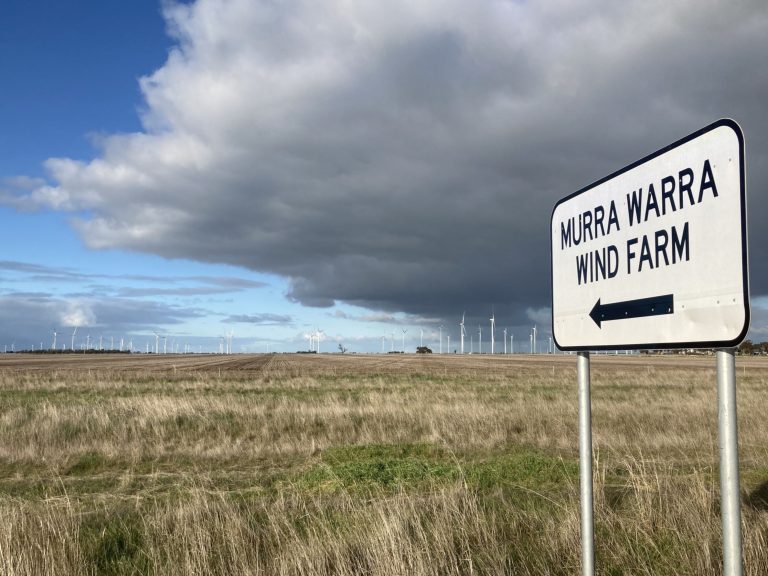
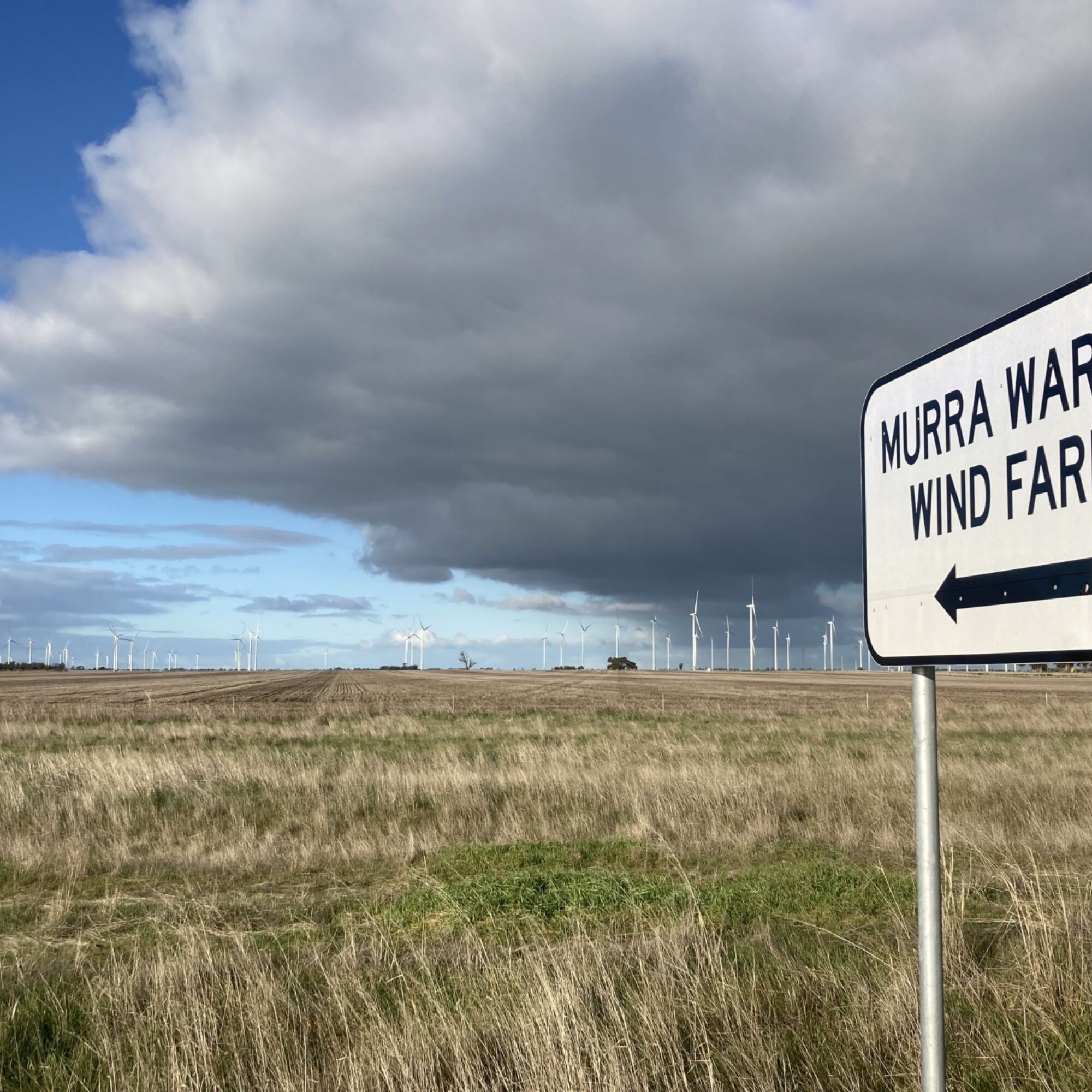
The Victorian Government has identified six areas within the State as Renewable Energy Zones. Murra Warra I Wind Farm is located in the Western Victoria REZ.
Renewable Energy Zones involve the coordinated development
of new grid infrastructure in energy rich areas, to connect multiple renewable energy generators (such as wind farms) in the same location.
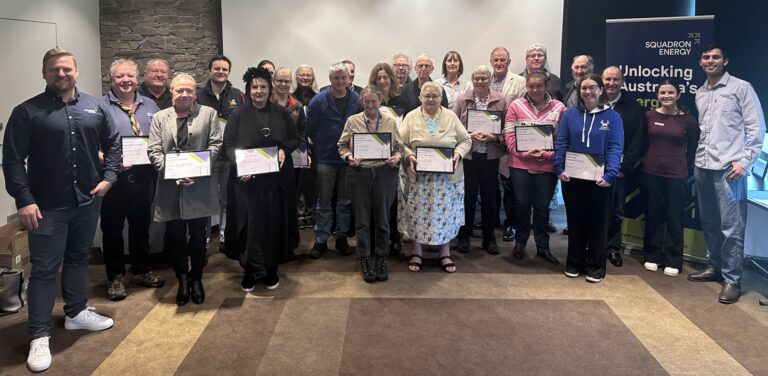
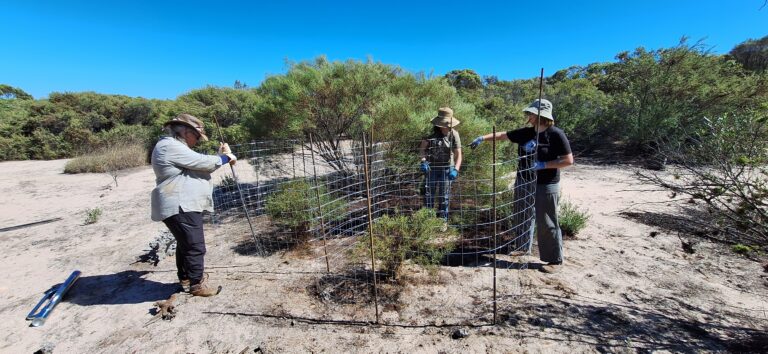
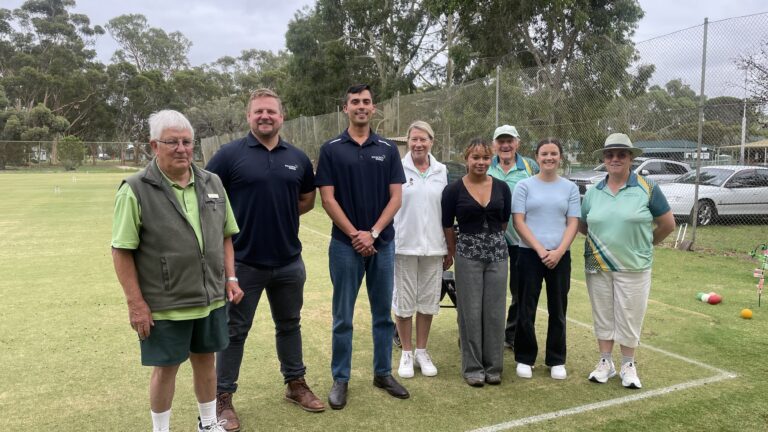
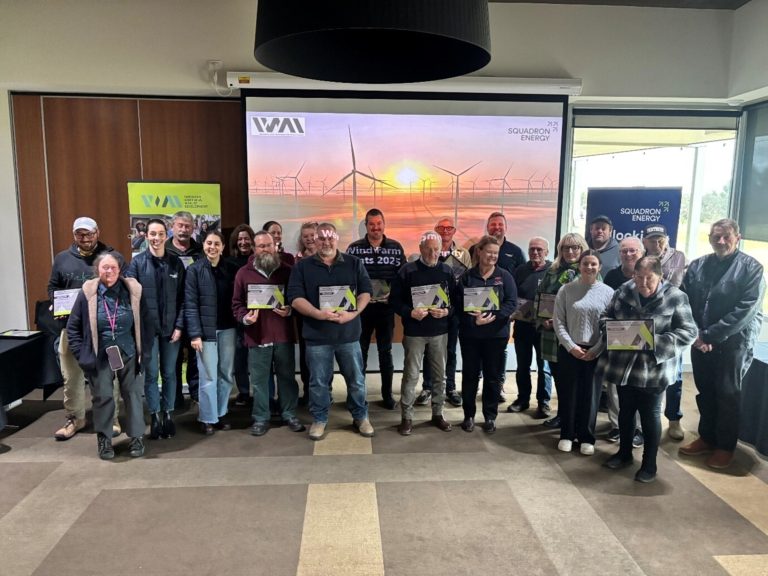
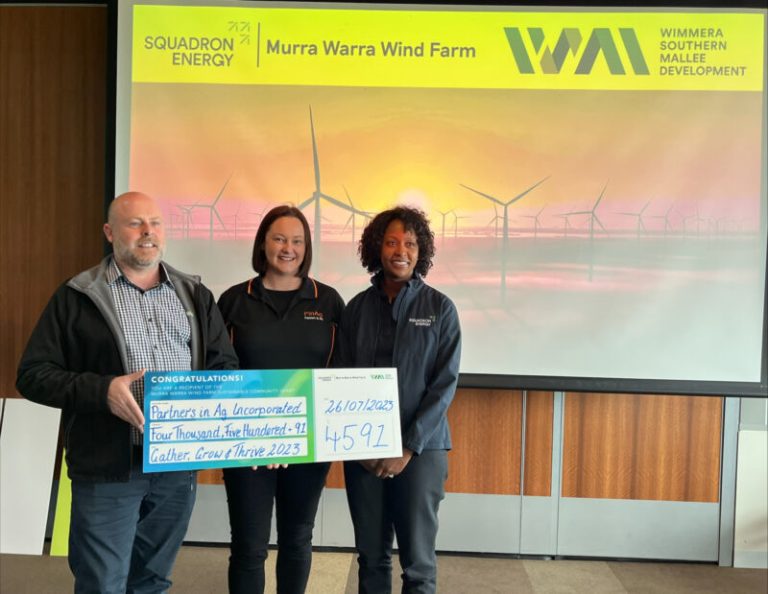
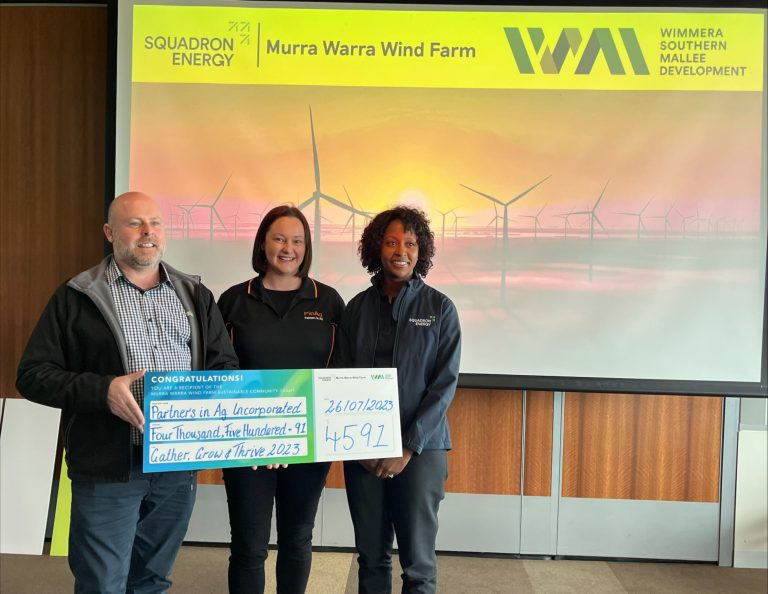
Murra Warra I Wind Farm is committed to supporting the local community through its Sustainable Community Grant Fund, supporting local community projects.
The MWWF Sustainable Community Grant Fund is made up of the Murra Warra Wind Farm Stage 1 and Stage 2 projects, with a total of $99,000 committed to the Fund each year. The Fund promotes social and environmental sustainability initiatives through supporting educational, environmental, and community-based projects that are consistent with the principles of sustainable development.
Application guide and form are available online. Submissions close on 31 May 2025.
Bat and Avifauna Monitoring Report
Download