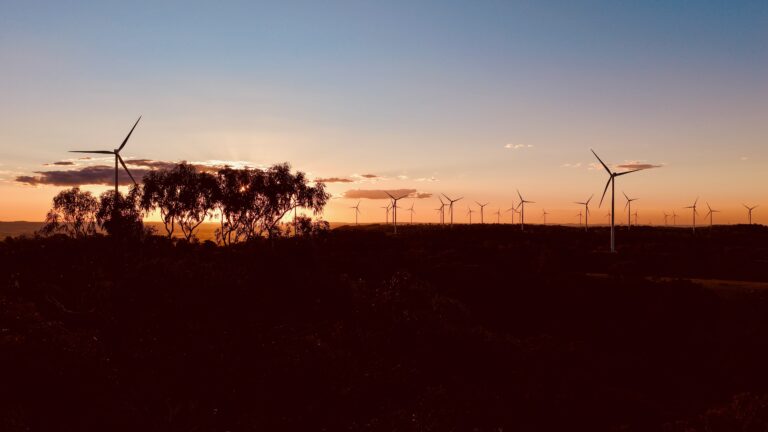
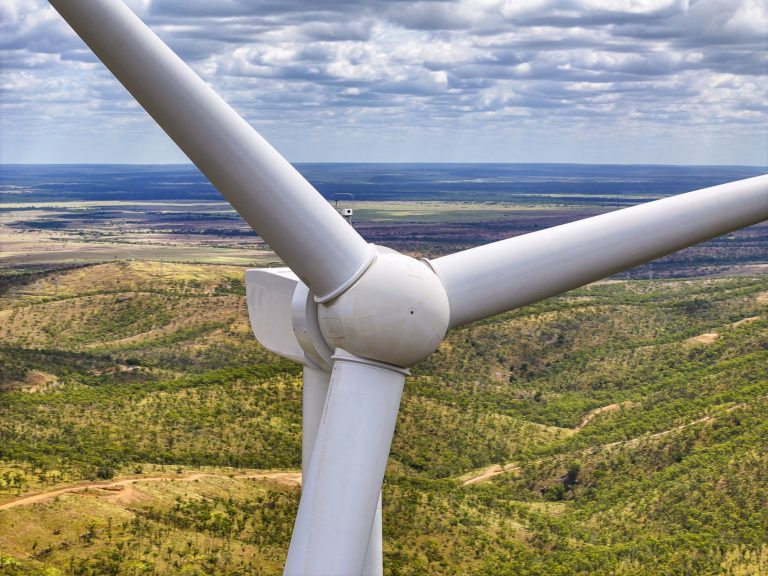
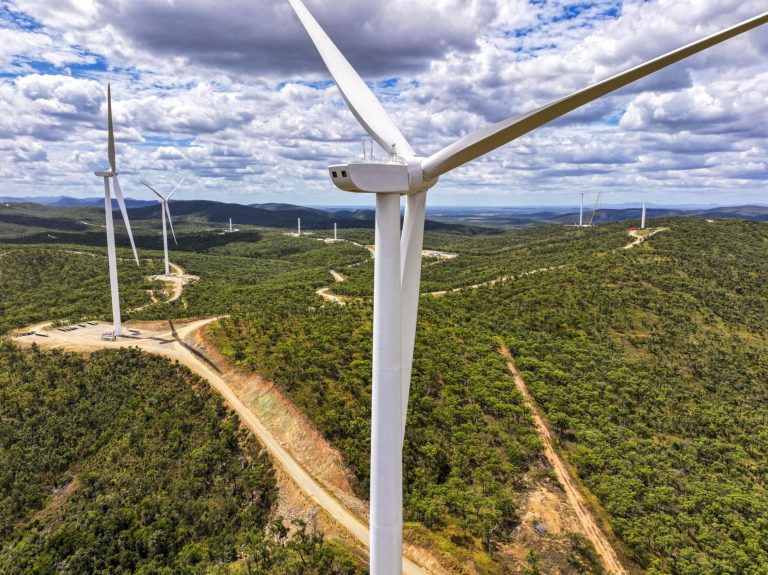
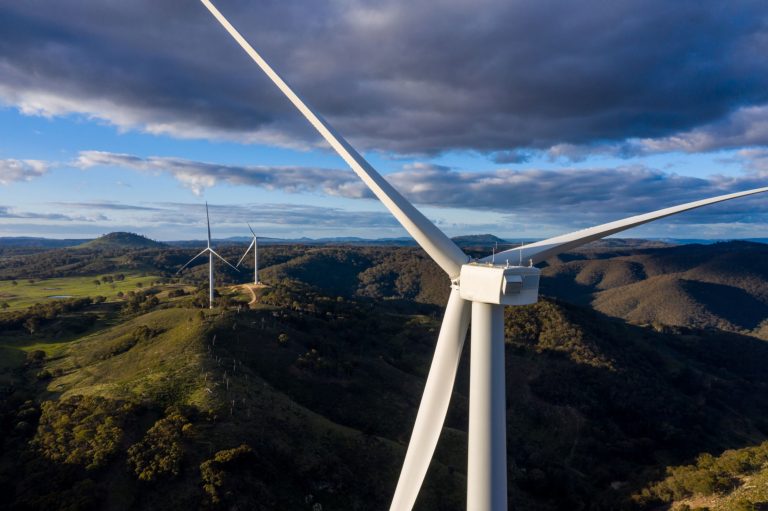
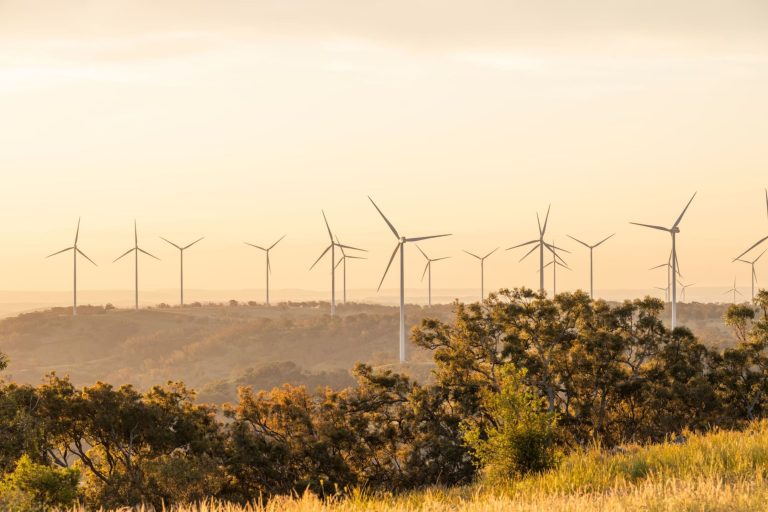
Clarke Creek Solar Farm, located 150km north-west of Rockhampton and 150km south of Mackay on the land of the Barada Kabalbara Yetimarala (BKY) peoples, is a proposed 400MW(AC) solar farm located alongside Clarke Creek Wind Farm. The solar project will have the capacity to power the equivalent of 180,000 homes. It also includes battery energy storage.
Community programs and initiatives backed by Squadron Energy have been featured in the Best Practice Charter Report, highlighting the company’s commitment to community engagement and…
The latest Electricity Statement of Opportunities (ESOO) from AEMO is a welcomed confirmation that renewable energy generation is on track to replace exiting coal
Identification and site selection is based on
an analysis of opportunities and
constraints including (but not limited to):
distance to the electricity grid, wind
resource and population density of the
surrounding community. Our team then
undertake a number of site visits and
consultation with landowners in the area.
Project identification and site selection
Step 2
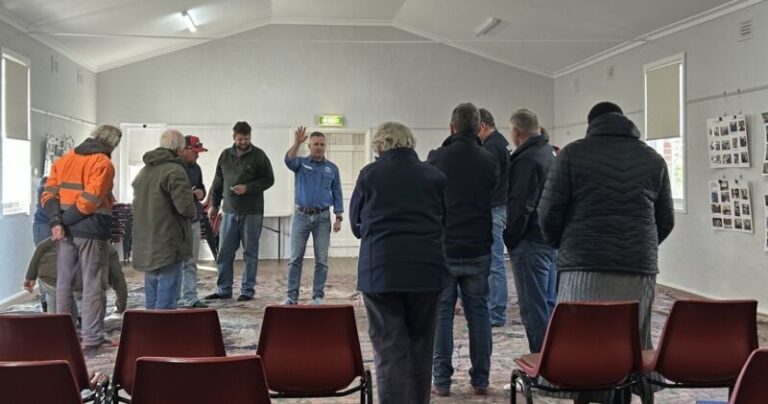
Project feasibility and community engagement
Site-specific investigations are undertaken
to assess the impacts and opportunities of
the project and feedback is sought from
the local community.
Project feasibility and community engagement
Step 3
Development approval
Development application documentation is prepared which involves a wide range of studies to address stakeholder feedback received to date and to consider the potential environmental and social impacts of the project. Depending on the jurisdiction, this may include a public exhibition and submissions process.
Development approval
Step 4
Assessment and development consent
The EIS is placed on public exhibition through the NSW Department of Planning, Housing and Infrastructure. Interested members of the public are invited to have their say during the exhibition period by way of formal submissions. A Submissions Report is then prepared, which aims to respond to the submissions received.
Assessment and development consent
Step 5
Post approval, contracting and financing
A lead contractor(s) to build the project is
appointed and all pre-construction
approvals and consents are finalised.
During this phase, the lead contractor(s) is
provided with a list of local businesses that
have registered their interest and
capabilities through the project website.
Post approval, contracting and financing
Step 6
Procurement
During this phase our lead contractor(s) seek tenders and engage contractors and suppliers to undertake the scope of the works. Orders are then placed for major components such as the solar panels, mounting system and inverters.
Procurement
Step 7
Early works and design
Initial site activities commence, such as
minor clearing and provision of access
roads along with establishing a site
construction compound. Off-site detailed
design works commences in parallel.
Early works and design
Step 8
Major civil works
During this phase of the construction the bulk of the civil works takes place. This includes the construction of new internal access roads, excavation and earthworks (if necessary), installation of the internal electrical reticulation system, construction of the high voltage substation and main transmission line network.
Major civil works
Step 9
Solar equipment
This is where the visual aspect of the solar farm starts to appear, with pile driving machines installing the piers and mounting bars onto which the solar panels are then fixed.
Solar equipment
Step 10
Commissioning
In order to export power to the grid, each string of panels and inverters is required to undergo several performance tests.
Commissioning
Step 11
Operations
The project is operating in accordance with
relevant approval conditions and
management plans. Compliance with
conditions of approval and management
plans is monitored as required throughout
the life of the project.
Operations
Step 12
Decommissioning
The design life of the solar panels is at least 30 years. At the end of their useful life, the solar and electrical equipment will be either replaced and the solar farm repowered, or the project will be decommissioned, and the site returned to its original use at the expense of the project.
Decommissioning
About Squadron Energy
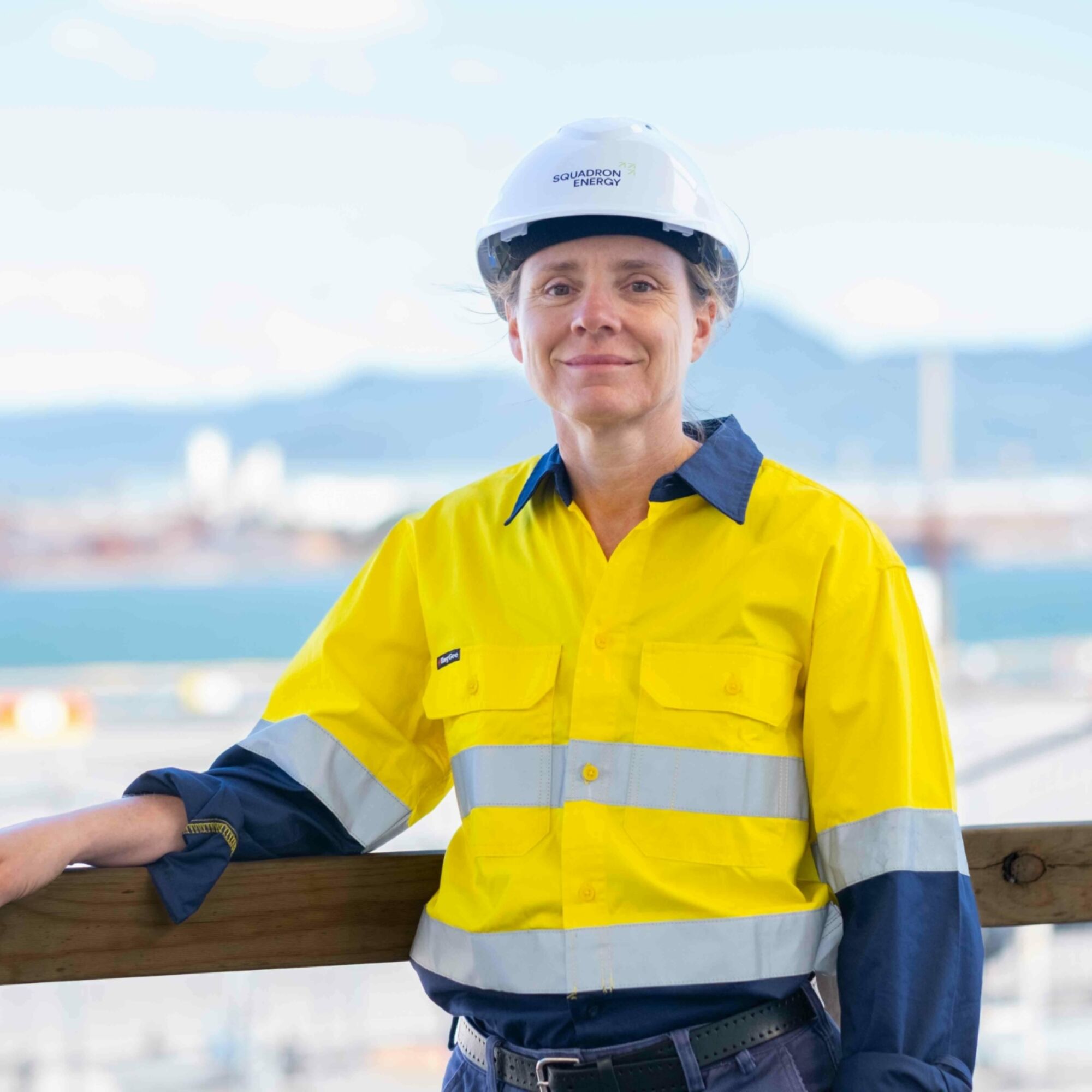
Squadron Energy is Australia’s leading renewable energy company that develops, operates and owns renewable energy assets in Australia. We are 100% Australian owned and we are here for the long term. We have 2 gigawatts (GW) of renewable energy in operation and under construction. With proven experience and expertise across the project lifecycle, we work with local communities and our customers to lead the transition to Australia’s clean energy future.