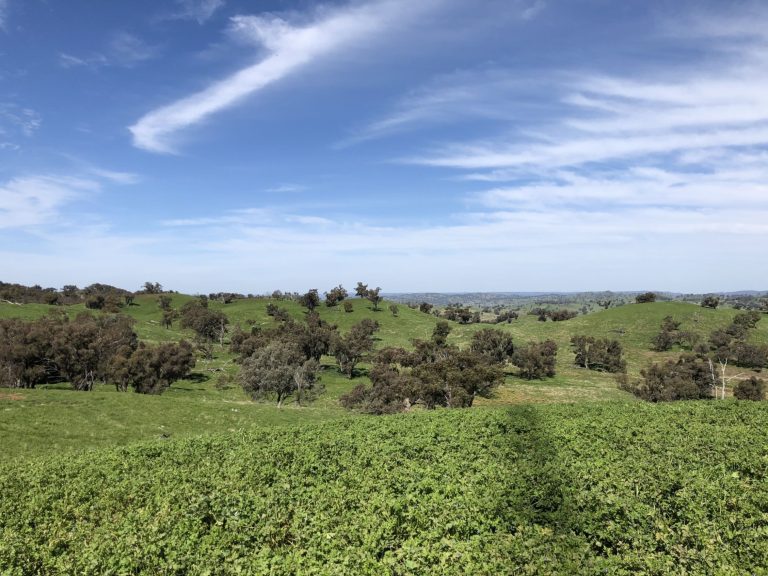
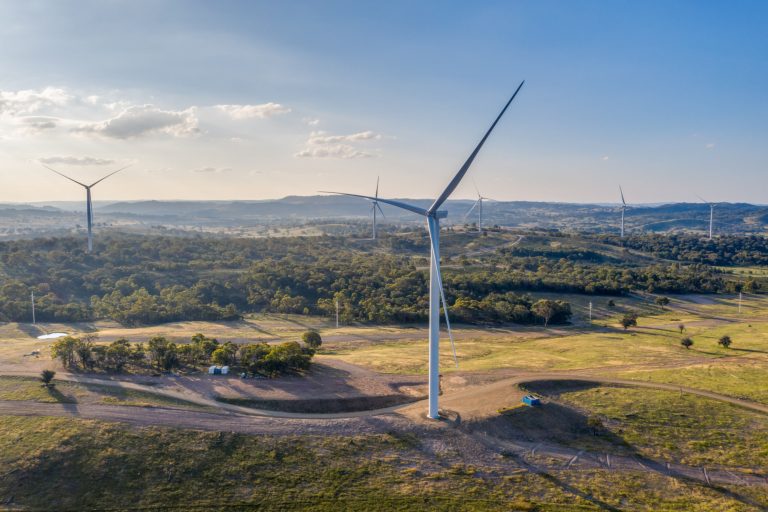
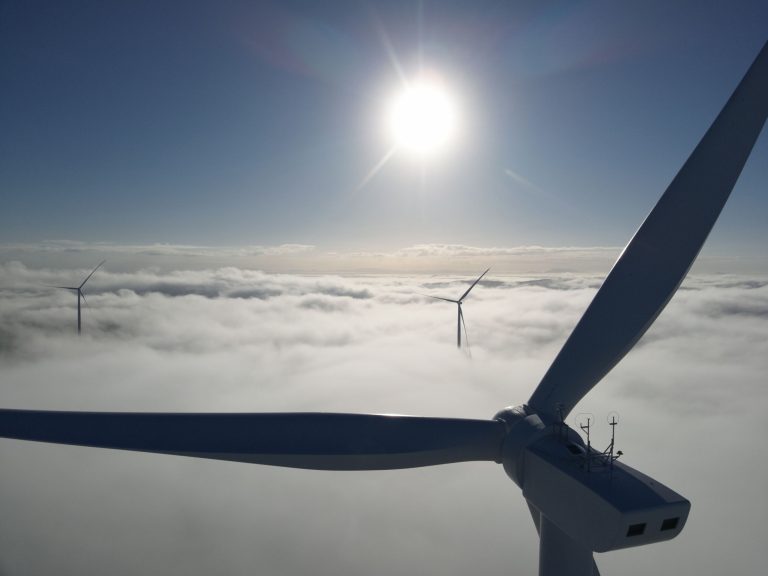
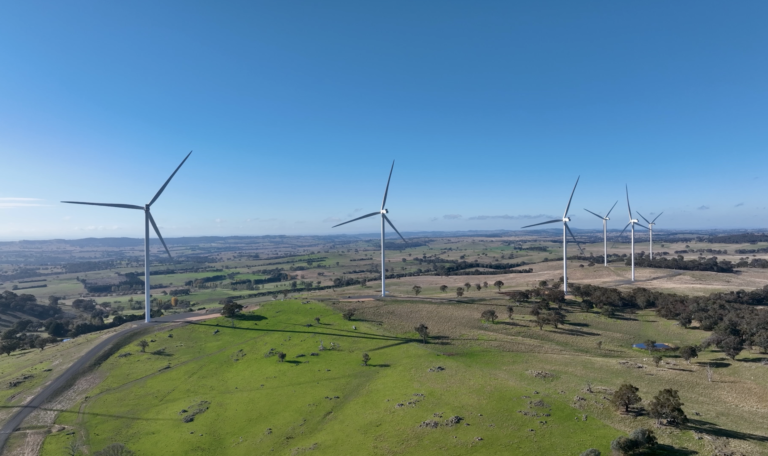
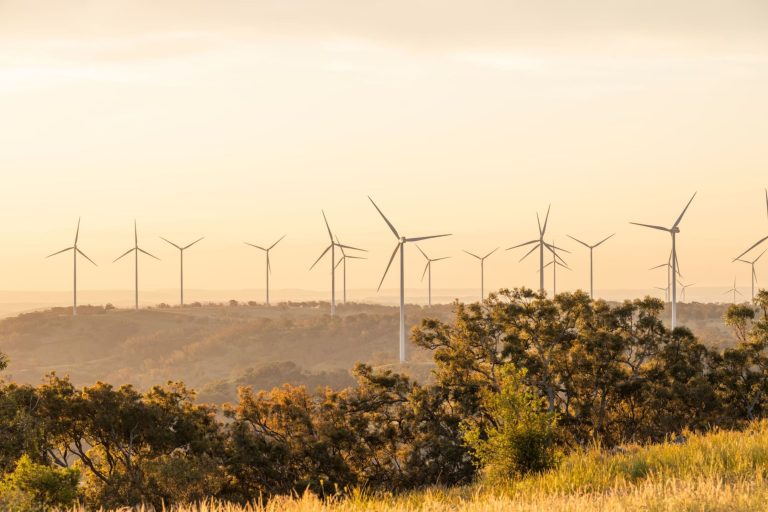
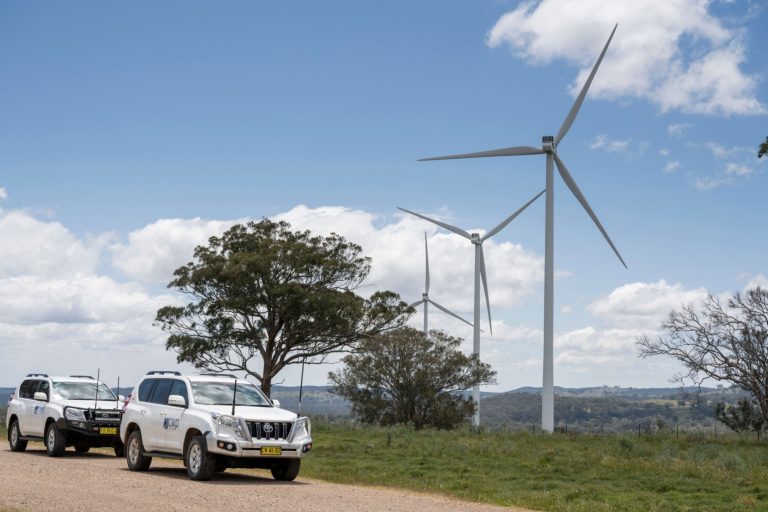
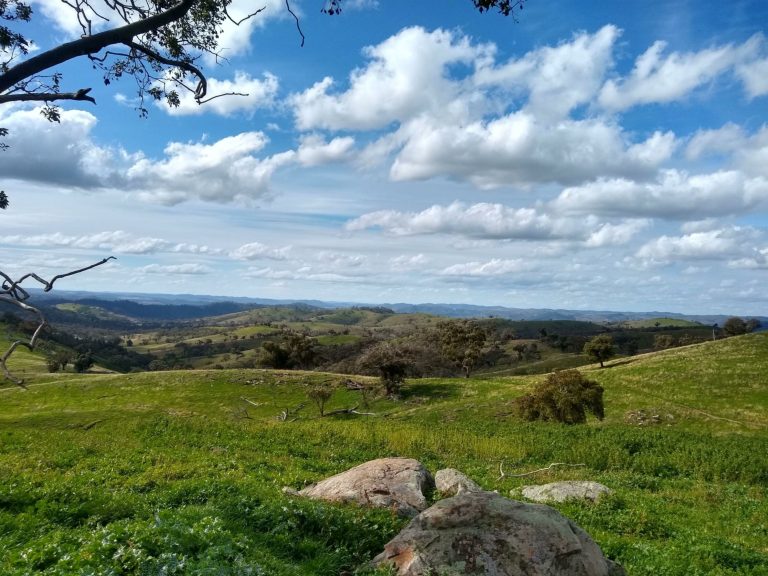
Uungula Battery is a proposed battery storage facility near the Uungula Wind Farm development, 14km east of Wellington within the Central-West Orana Renewable Energy Zone. The size of the battery facility permitted is up to 150MW/300MWh.
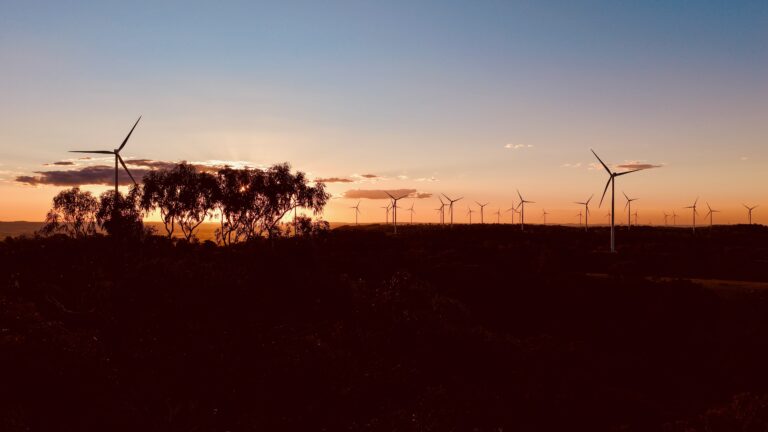
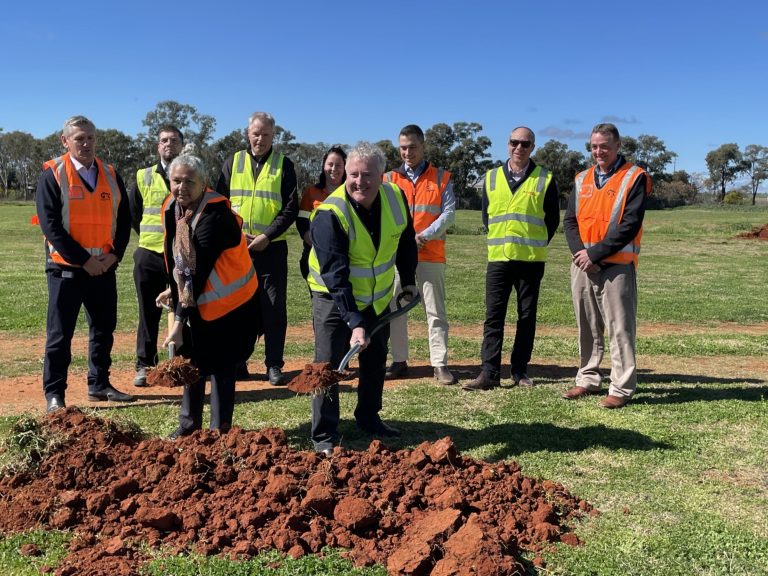
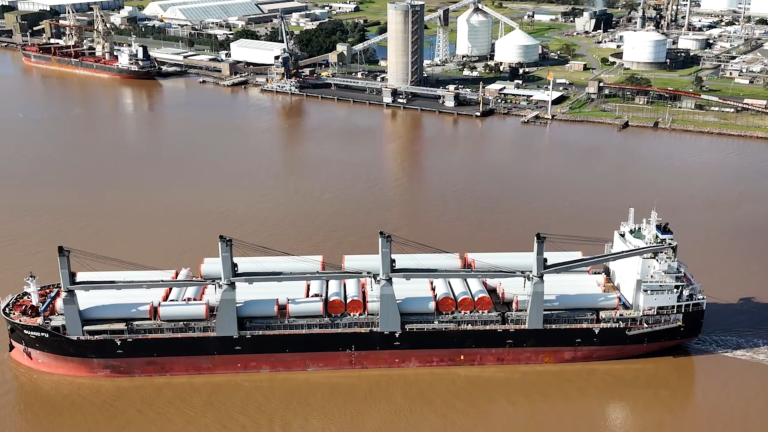
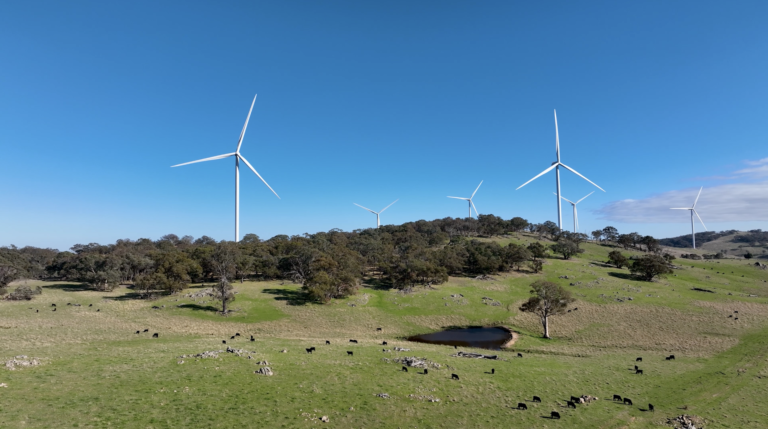
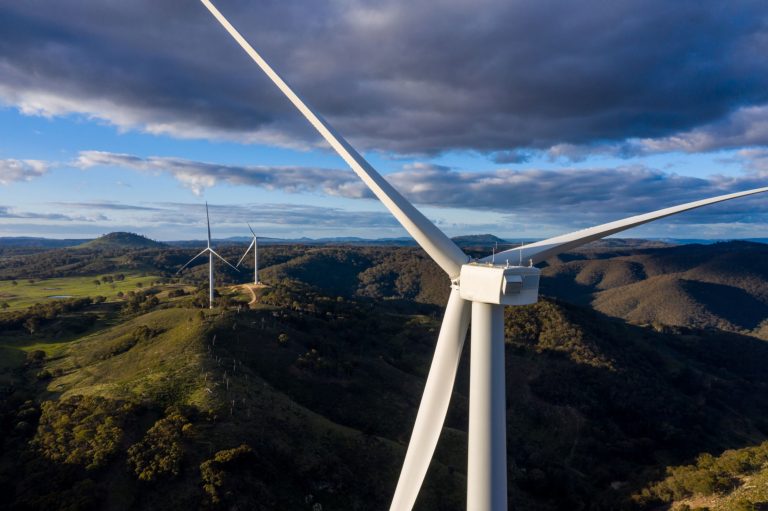
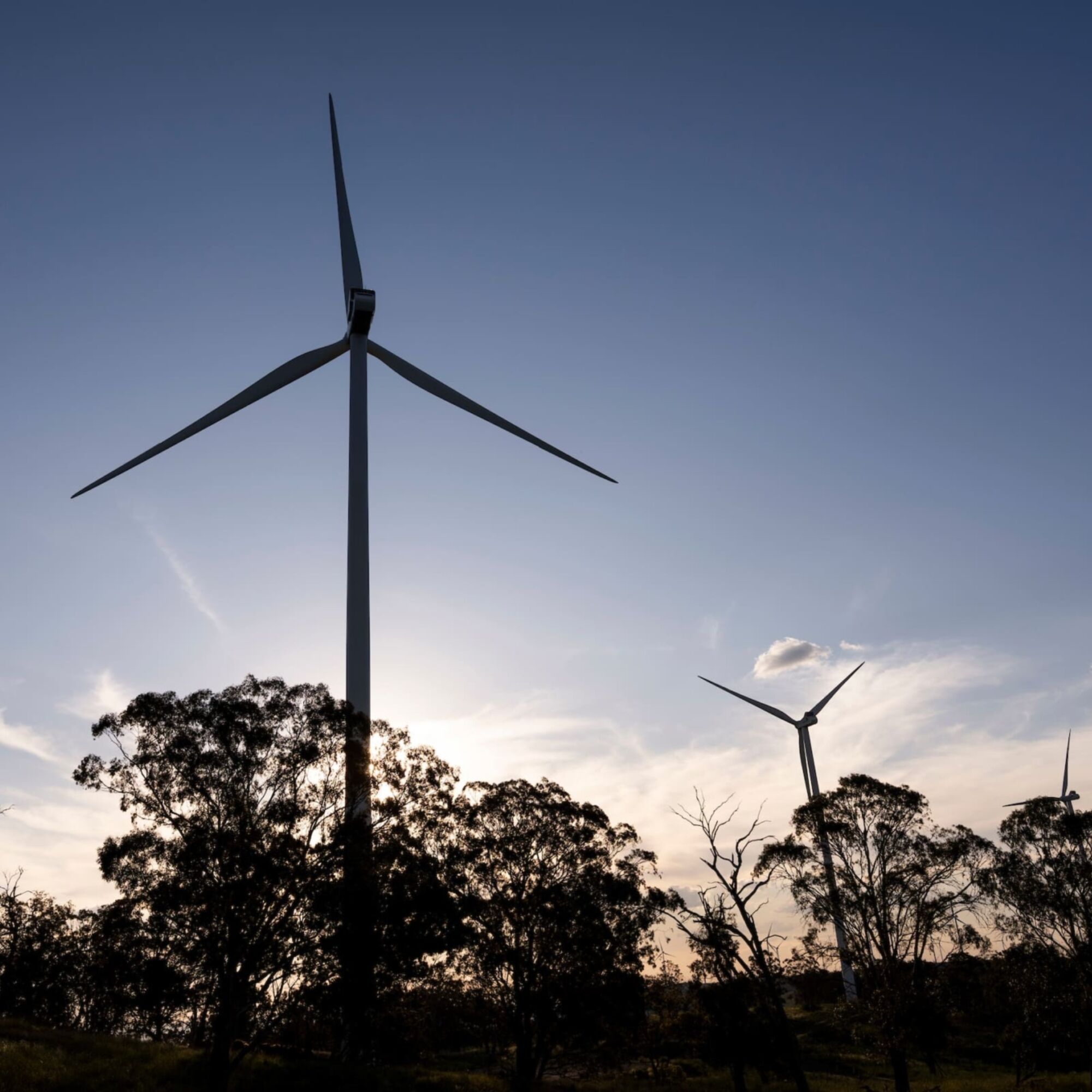
Construction is well underway on Uungula Wind Farm, located on Wiradjuri Country. Work has been progressing on the internal access tracks and wind turbine bases.
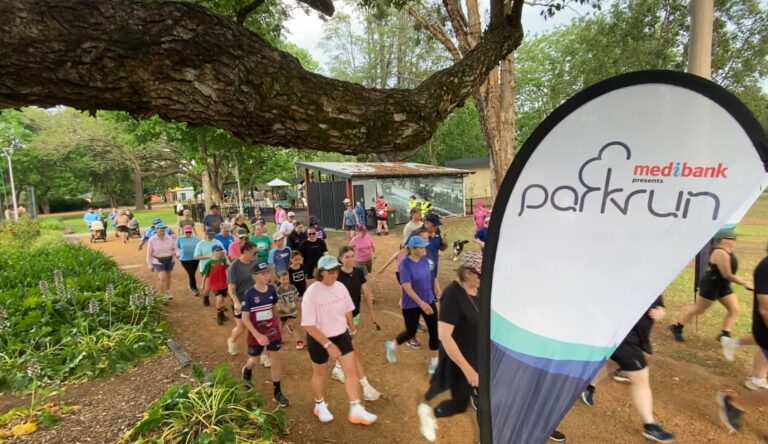
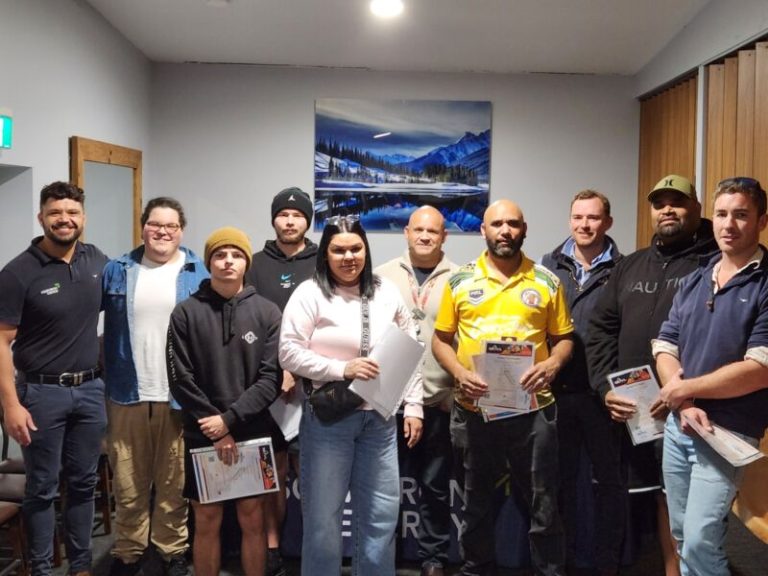
The Cameron Park Wellington parkrun, supported by Squadron Energy’s Uungula Wind Farm, has quickly grown in popularity among the community since its October launch. The…
Community programs and initiatives backed by Squadron Energy have been featured in the Best Practice Charter Report, highlighting the company’s commitment to community engagement and…
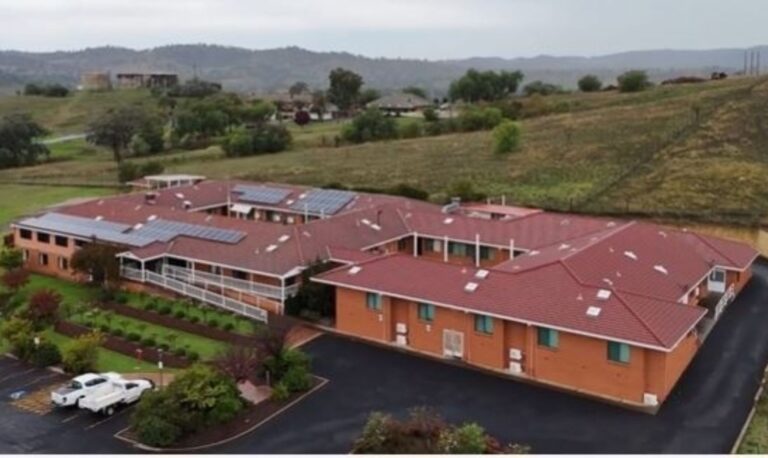
Construction is officially underway for a new advanced wastewater treatment facility in Dubbo, with Squadron Energy, Australia’s leading renewable energy
Squadron Energy welcomes today’s announcement by the NSW Minister for Climate Change and Energy, Penny Sharpe that Australia’s first declared Renewable Energy
The latest Electricity Statement of Opportunities (ESOO) from AEMO is a welcomed confirmation that renewable energy generation is on track to replace exiting coal
Identification and site selection is based on an analysis of opportunities and constraints. Our team then begins community consultation.
Project identification and site selection
Step 2
Project feasibility and community engagement
Site-specific investigations are undertaken
to assess the impacts and opportunities of
the project and feedback is sought from
the local community.
Project feasibility and community engagement
Step 3
Development Application and Environmental Impact Statement
A Development Application is made and an
EIS prepared which involves a wide range of
studies to address stakeholder feedback
received to date and to consider the
potential environmental and social impacts
of the project.
Development Application and Environmental Impact Statement
Step 4
Public exhibition and submissions report
The EIS is placed on public exhibition
through the NSW Department of Planning,
Housing and Infrastructure. Interested
members of the public are invited to have
their say during the exhibition period by way
of formal submissions. A Submissions
Report is then prepared, which aims to
respond to the submissions received.
Public exhibition and submissions report
Step 5
Assessment and development consent
The project documents are assessed by the
relevant government authorities. If
determined, Development Consent is
granted alongside a range of conditions
specific to the project.
Assessment and development consent
Step 6
Post approval, contracting and financing
A lead contractor(s) to build the project is
appointed and all pre-construction
approvals and consents are finalised.
During this phase, the lead contractor(s) is
provided with a list of local businesses that
have registered their interest and
capabilities through the project website.
Post approval, contracting and financing
Step 7
Procurement
During this phase our lead contractor(s) engages contractors and suppliers to undertake the scope of the works. Orders are then placed for major components.
Procurement
Step 8
Early works and design
Initial site activities start. Off-site detailed design commences in parallel.
Early works and design
Step 9
Construction - Civil Works
During this phase of construction, the majority of the civil works takes place. The community is kept informed about temporary impacts during the construction phase.
Construction - Civil Works
Step 10
Construction - mechanical and electrical completion
During this phase, the major equipment packages are delivered to site. Electrical cabling, buildings and amenities are then installed and major equipment connections are made to complete construction.
Construction - mechanical and electrical completion
Step 11
Commissioning & handover
Electricity and other external service connections are completed and then equipment undergoes performance testing. During this stage, the project will come to life with equipment starting up for short periods of time, until the commissioning team is satisfied with the performance and operational safety. Operators will be trained during commissioning before commencing operations.
Commissioning & handover
Step 12
Operations
The project is operating in accordance with
relevant approval conditions and
management plans. Compliance with
conditions of approval and management
plans is monitored as required throughout
the life of the project.
Operations
Step 13
Decommissioning
At the end of the project’s useful life, the asset and electrical equipment will be either replaced or the project will be decommissioned. The site will then be returned to its original use or re-purposed for other development.
Decommissioning
About Squadron Energy
Squadron Energy is Australia’s leading renewable energy company that develops, operates and owns renewable energy assets in Australia. We are 100% Australian owned and we are here for the long term. We have 2 gigawatts (GW) of renewable energy in operation and under construction. With proven experience and expertise across the project lifecycle, we work with local communities and our customers to lead the transition to Australia’s clean energy future.
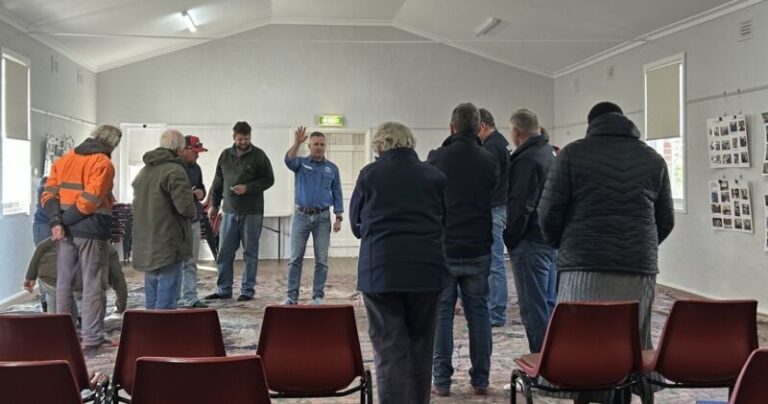
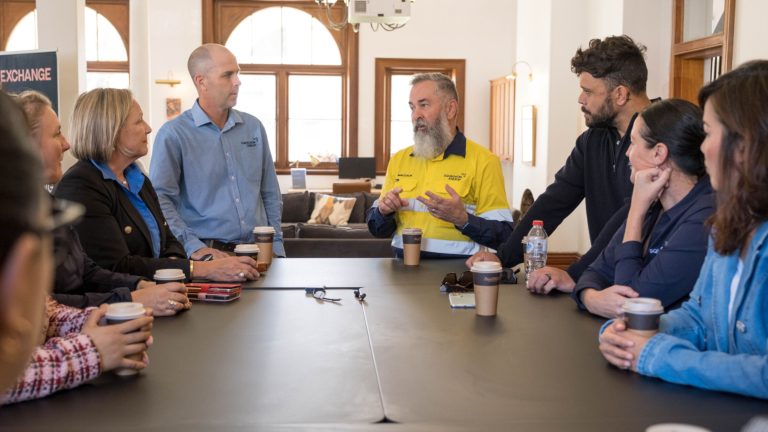
The purpose of a community consultative committee (CCC) is to provide a forum for open discussion.
It is a space for us to speak with representatives from the community, the council and other stakeholders about specific matters relating to the firming project.
The CCC follows the NSW Department of Planning, Industry and Environment’s Community Consultative Committee Guidelines for State Significant Projects. Meeting minutes are provided below.
Uungula’s CCC was re-established in 2018. If you would like to get in touch with your local CCC member, please contact the Independent Chairperson: