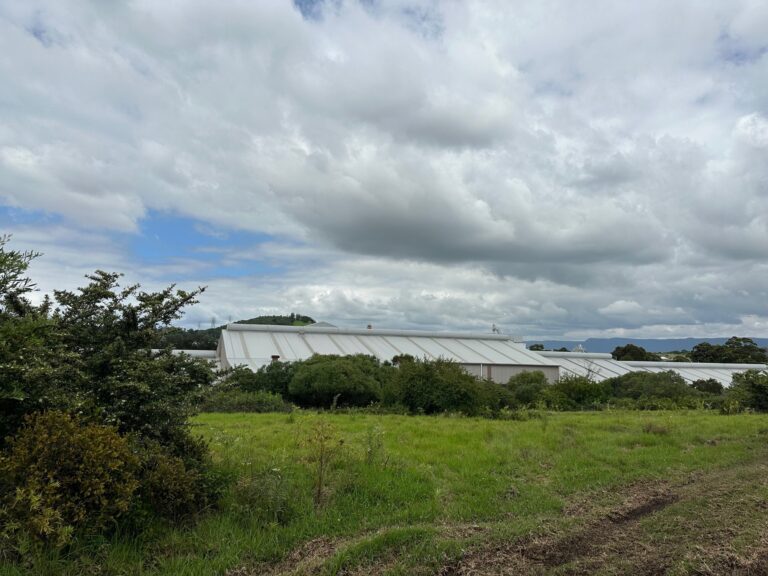
The proposed Illawarra Firming Power Station is a new gas-powered facility, located in Unanderra NSW, a heavy industrial zone seven kilometres south of Wollongong CBD. The facility is designed to provide electricity when renewable energy sources like wind and solar are not meeting demand.
Squadron Energy is continuing to develop Illawarra Firming Power Station (IFPS), a proposed gas energy project that will help provide reliable electricity to homes and…
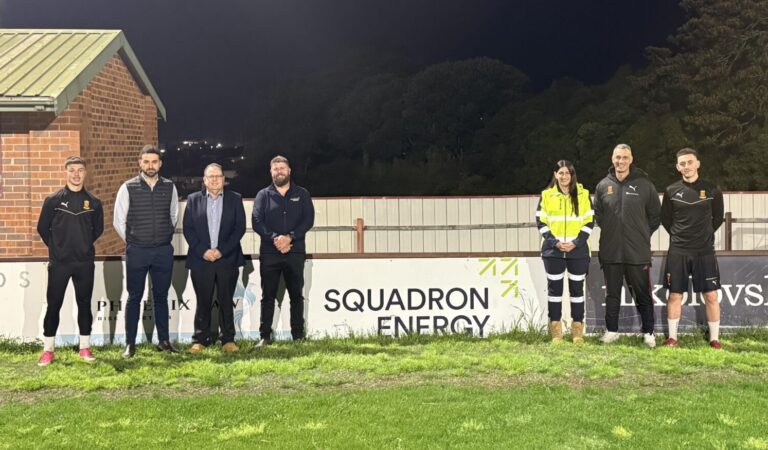
Squadron Energy’s Port Kembla Energy Terminal and Illawarra Firming Power Station have sponsored the upgrade of floodlights at the home ground of the Cringila Lions…
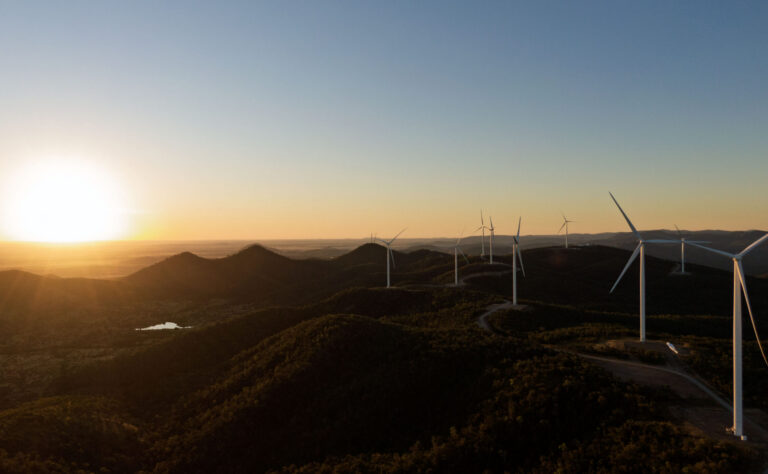
The central idea behind the AEMO’s 2026 Integrated System Plan (ISP) is clear – renewable energy, firmed with storage, connected by transmission and backed up…
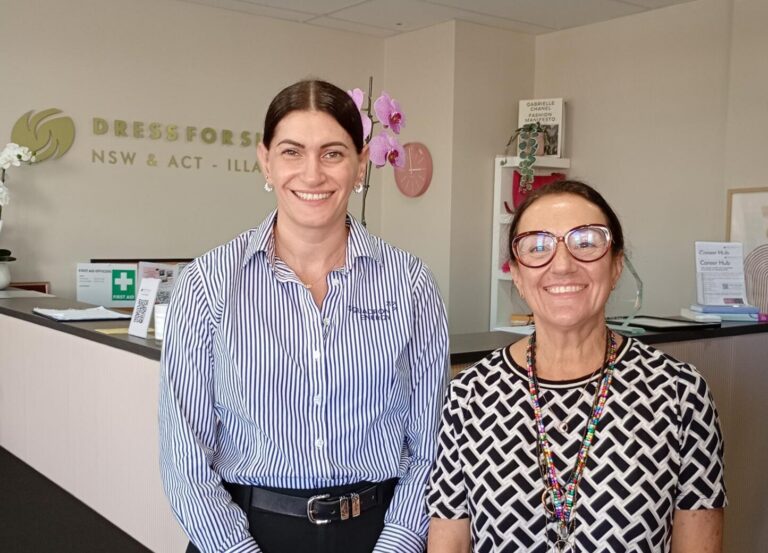
A new partnership with Squadron Energy will help strengthen the work of Dress for Success in the Illawarra. Dress for Success Illawarra provides free styling…
Community programs and initiatives backed by Squadron Energy have been featured in the Best Practice Charter Report, highlighting the company’s commitment to community engagement and…
We are pleased to introduce the proposed Illawarra Firming Power Station (IFPS), a new firming gas-powered facility, located in Unanderra, an industrial zone seven kilometres…
Thanks to support from Squadron Energy, Australia’s leading renewable energy company, Look Good Feel Better will be able to support 100 individuals undergoing cancer treatment…
Identification and site selection is based on an analysis of opportunities and constraints. Our team then begins community consultation.
Project identification and site selection
Step 2
Project feasibility and community engagement
Site-specific investigations are undertaken
to assess the impacts and opportunities of
the project and feedback is sought from
the local community.
Project feasibility and community engagement
Step 3
Development Application and Environmental Impact Statement
A Development Application is made and an
EIS prepared which involves a wide range of
studies to address stakeholder feedback
received to date and to consider the
potential environmental and social impacts
of the project.
Development Application and Environmental Impact Statement
Step 4
Public exhibition and submissions report
The EIS is placed on public exhibition
through the NSW Department of Planning,
Housing and Infrastructure. Interested
members of the public are invited to have
their say during the exhibition period by way
of formal submissions. A Submissions
Report is then prepared, which aims to
respond to the submissions received.
Public exhibition and submissions report
Step 5
Assessment and development consent
The project documents are assessed by the
relevant government authorities. If
determined, Development Consent is
granted alongside a range of conditions
specific to the project.
Assessment and development consent
Step 6
Post approval, contracting and financing
A lead contractor(s) to build the project is
appointed and all pre-construction
approvals and consents are finalised.
During this phase, the lead contractor(s) is
provided with a list of local businesses that
have registered their interest and
capabilities through the project website.
Post approval, contracting and financing
Step 7
Procurement
During this phase our lead contractor(s) engages contractors and suppliers to undertake the scope of the works. Orders are then placed for major components.
Procurement
Step 8
Early works and design
Initial site activities start. Off-site detailed design commences in parallel.
Early works and design
Step 9
Construction - Civil Works
During this phase of construction, the majority of the civil works takes place. The community is kept informed about temporary impacts during the construction phase.
Construction - Civil Works
Step 10
Construction - mechanical and electrical completion
During this phase, the major equipment packages are delivered to site. Electrical cabling, buildings and amenities are then installed and major equipment connections are made to complete construction.
Construction - mechanical and electrical completion
Step 11
Commissioning & handover
Electricity and other external service connections are completed and then equipment undergoes performance testing. During this stage, the project will come to life with equipment starting up for short periods of time, until the commissioning team is satisfied with the performance and operational safety. Operators will be trained during commissioning before commencing operations.
Commissioning & handover
Step 12
Operations
The project is operating in accordance with
relevant approval conditions and
management plans. Compliance with
conditions of approval and management
plans is monitored as required throughout
the life of the project.
Operations
Step 13
Decommissioning
At the end of the project’s useful life, the asset and electrical equipment will be either replaced or the project will be decommissioned. The site will then be returned to its original use or re-purposed for other development.
Decommissioning
The role of firming
Firming backs up variable energy, using large scale batteries, pumped hydro and gas peaking plants.
Australia’s ageing coal-fired power stations are reaching the end of their life. To deliver reliable, affordable and clean energy to Australian businesses and homes, we’re building wind and solar farms, backed by firming.Our Illawarra and Dubbo Firming Power Stations are deliberately designed to play an important buttransitional role in supporting reliability,as more renewables and batteries are built, and coal power is phased out.
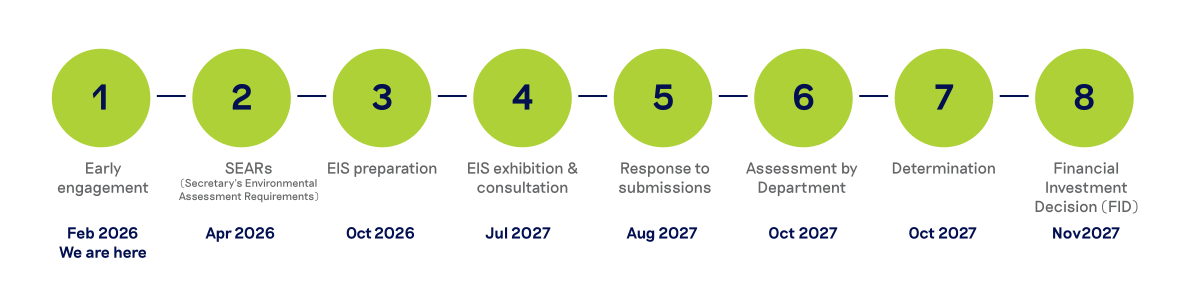
Indicative project timeline
Illawarra Renewable Energy Zone
Illawarra Firming Power Station will be located in the Illawarra Renewable Energy Zone (REZ). The Illawarra region hosts major energy, port and transport infrastructure and an existing skilled workforce, making it an ideal area for a REZ.
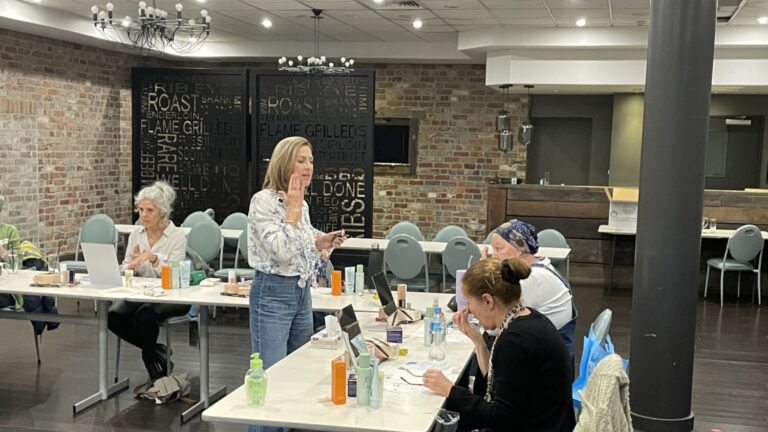
Helping Look Good Feel Better support cancer patients in Port Kembla
Squadron Energy is providing funding to Look Good Feel Better to support individuals undergoing cancer treatment in the Port Kembla community.
The funding will enable the organisation to provide important services including In-person workshops, Home Delivered Confidence Kits, virtual workshops, and weekly Feel Better Fridays sessions.
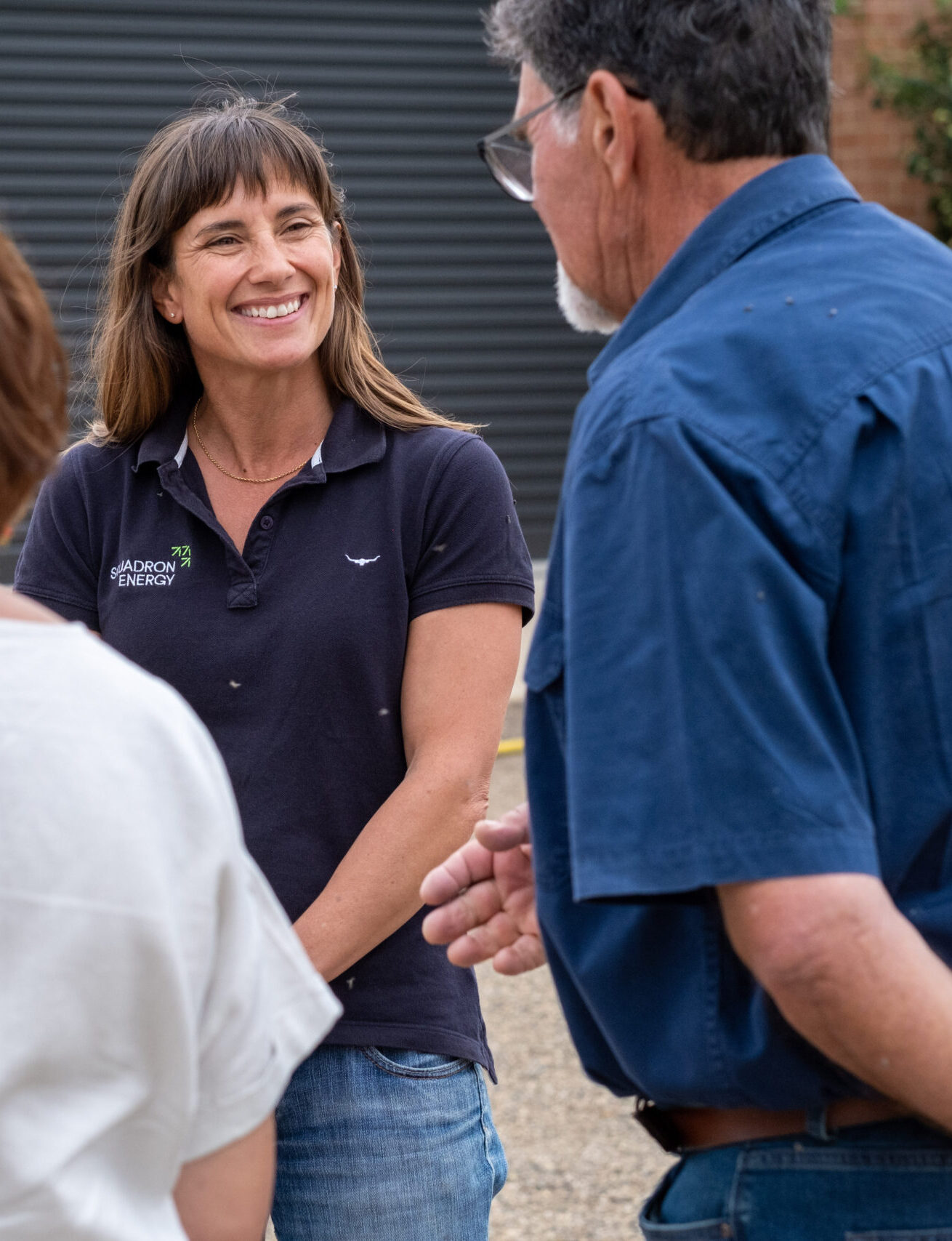
Squadron Energy’s Head of Community and Regional Development, Jessica Kite, said she was thrilled that the team were supporting such a vital program, with today's workshop showcasing just how important it is for those in the community with cancer.
“This organisation is truly changing lives, and we are proud to be playing just a small part in their huge impact.”
Each of Squadron Energy’s projects has a community sponsorship program, which provides funds or in-kind support to community organisations and events in the local project area. Information on how to apply is available on Squadron Energy's Community Sponsorship Guidelines and Application webpage.
Community
The wellbeing of the community is a core component of our work. Our approach to engaging with the local community is both genuine and lasting. As part of this commitment, over the last six months we have sponsored community initiatives such as the University of Wollongong's Global Leadership (GoLead) internship program, International Women's Day Illawarra, UCI Wollongong 2022 Community Ride and the Mission to Seafarers Port Kembla bus.
Squadron Energy is new to the Illawarra region, and we recognise that each community is different. We aim to tailor benefits at each firming project and make positive lasting contribution to the Illawarra. We look forward to launching a community grant and sponsorship program for Port Kembla in 2023.
Community benefit sharing and sponsorships
We share the benefits of our projects by supporting communities over the long term. We do this through a range of opportunities such as community benefits funds, voluntary planning agreements, community sponsorship and grant initiatives.
We recognise that each community is different, and we aim to tailor benefits at each project and make positive lasting contribution to each region.
Each of our projects has a community sponsorship program, which provides funds or in-kind support to community organisations and events in the local project area.
Key areas for the program include:
• Education and training initiatives
• Community development programs
• Health and wellbeing
• Environmental initiatives
Applications are open for community sponsorship. Please contact us using the details below for more information about Illawarra Firming Power Station community sponsorship opportunities. Download and complete the Community Sponsorship Application and forward with any relevant documentation to info@squadronenergy.com.
Squadron Energy is Australia’s leading renewable energy company that develops, operates and owns renewable energy assets in Australia. We are 100% Australian owned and we are here for the long term. We have 2 gigawatts (GW) of renewable energy in operation and under construction. With proven experience and expertise across the project lifecycle, we work with local communities and our customers to lead the transition to Australia’s clean energy future.