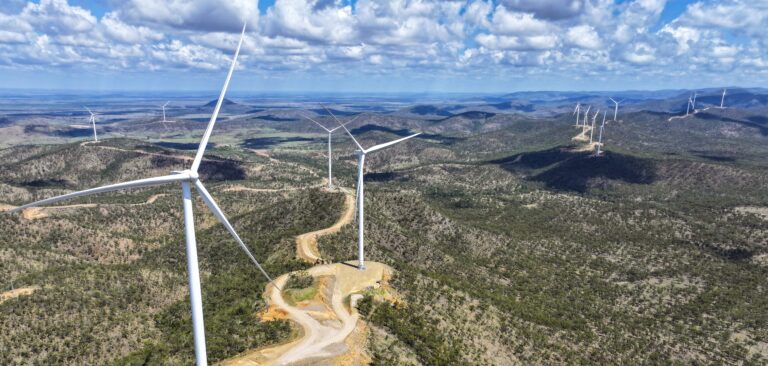
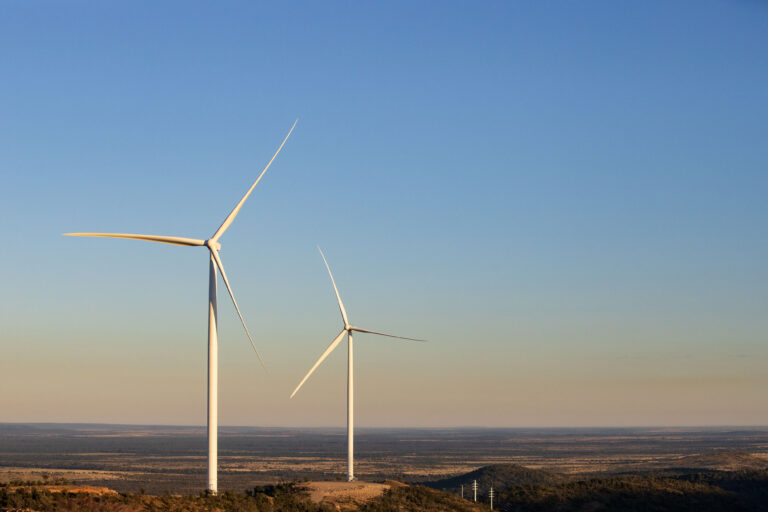
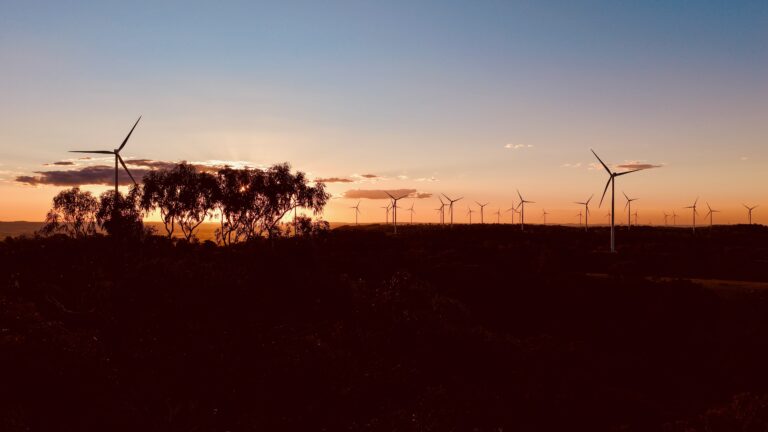
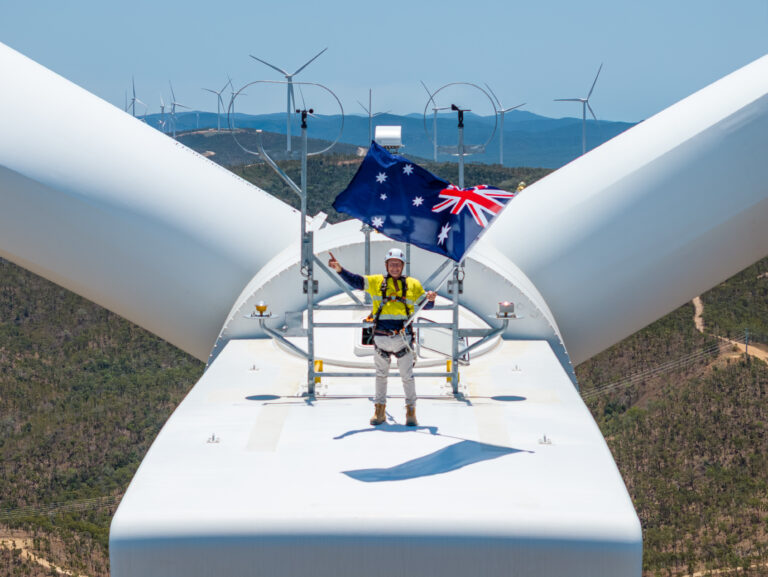
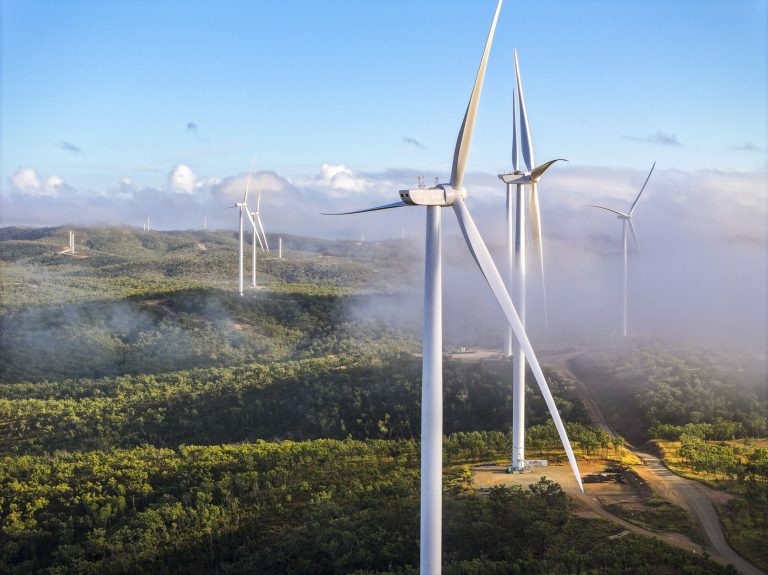
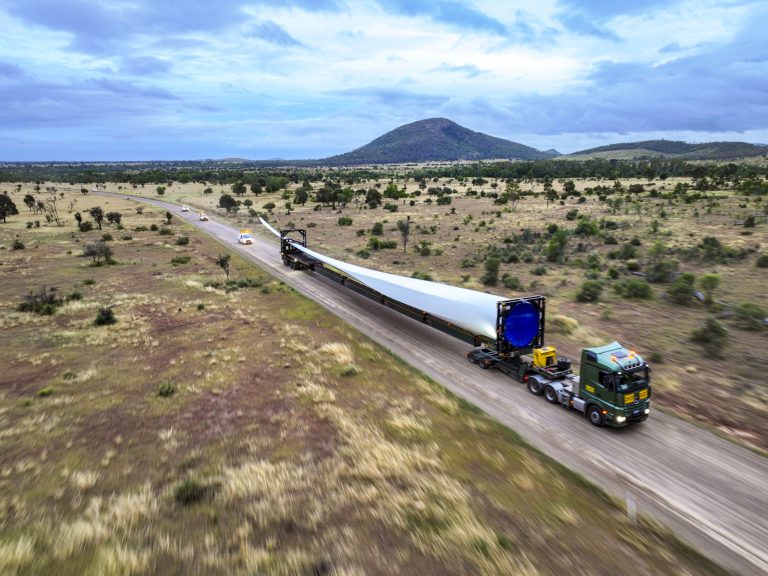
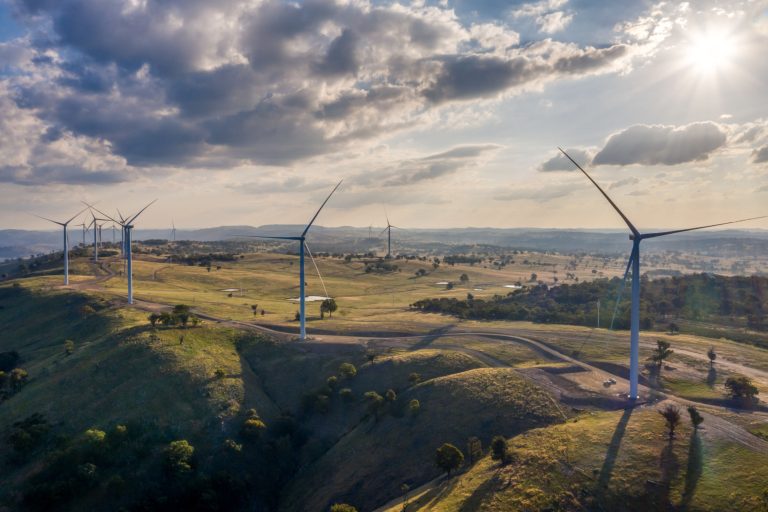
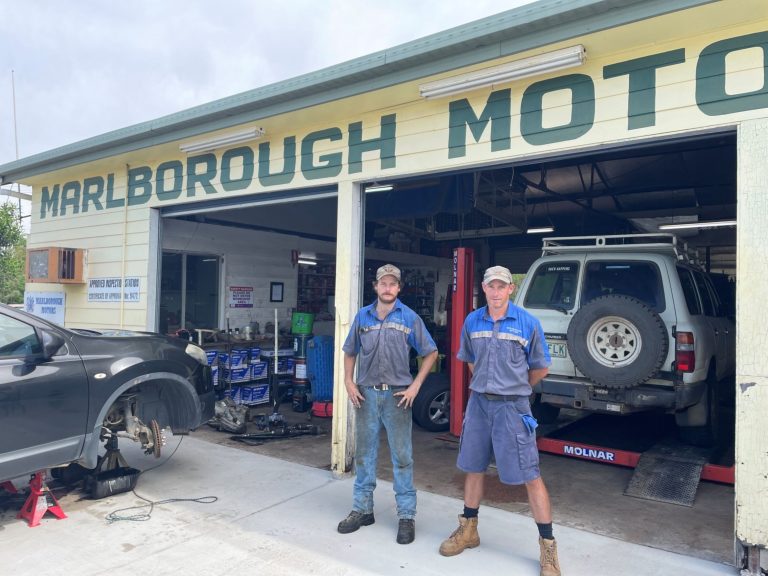
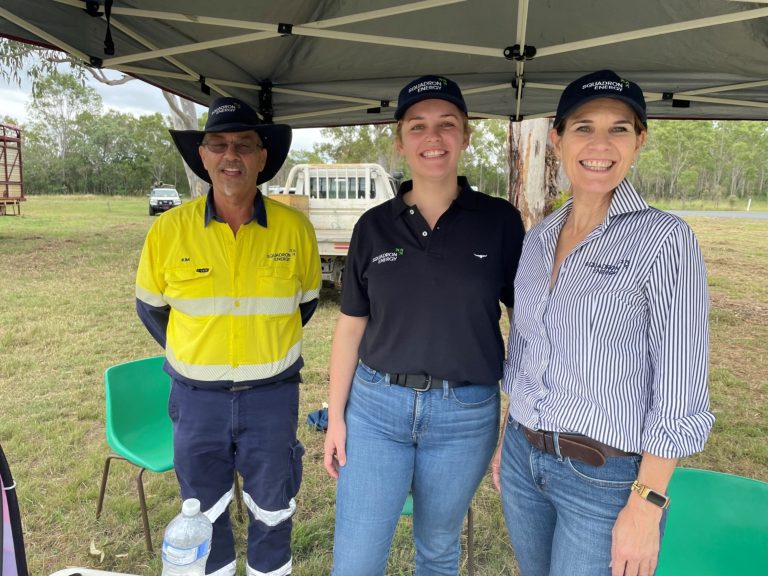
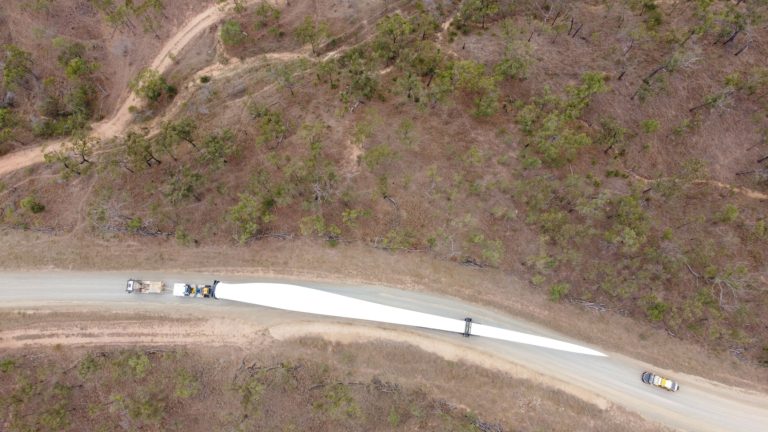
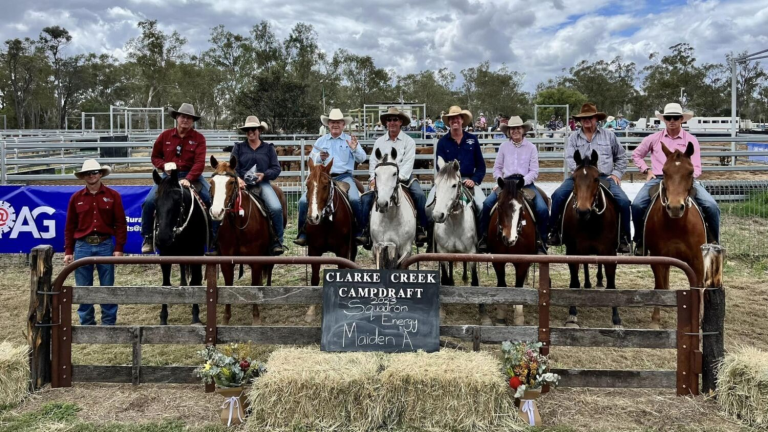
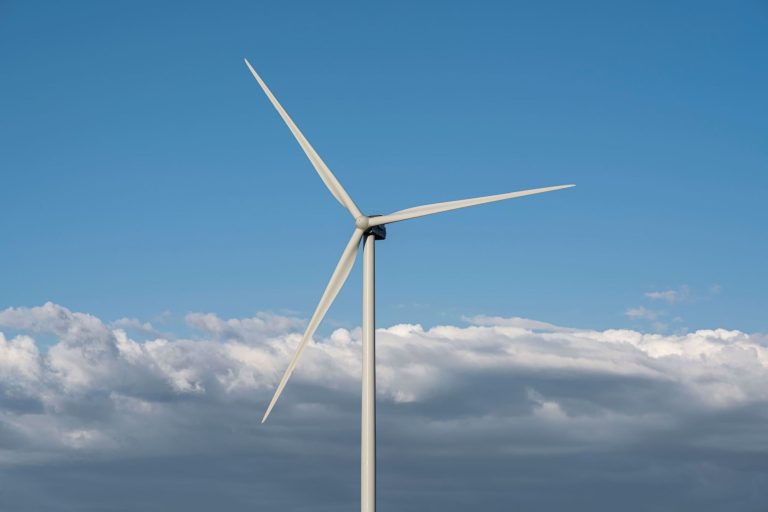
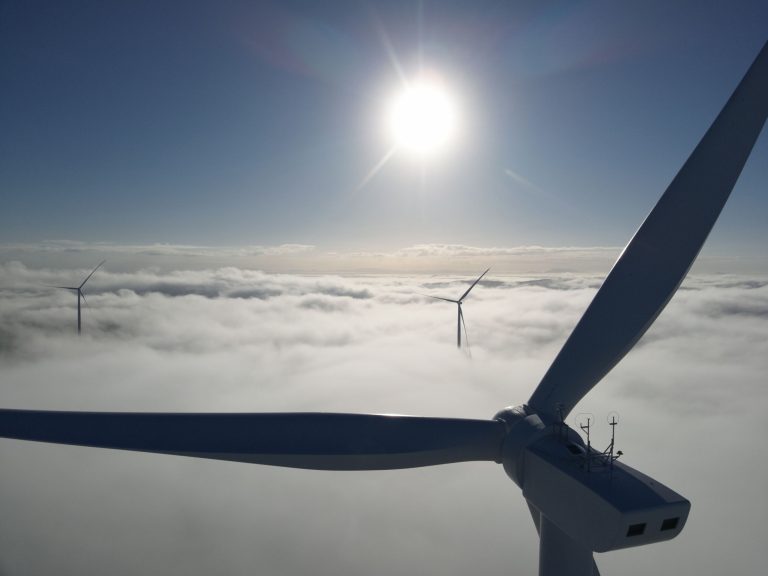
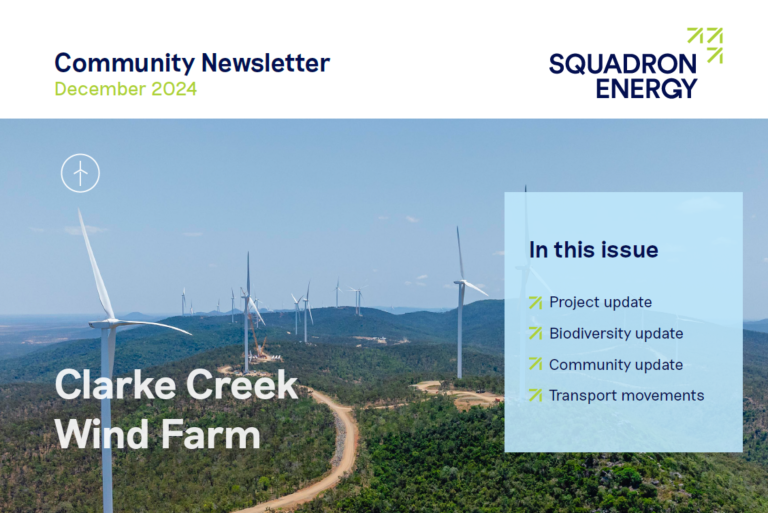
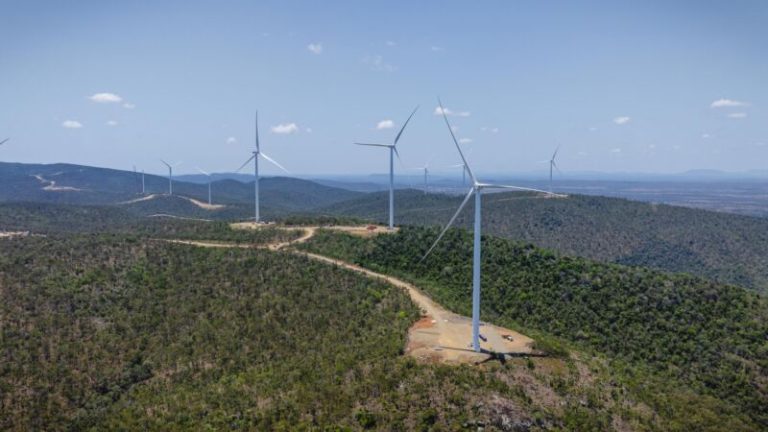
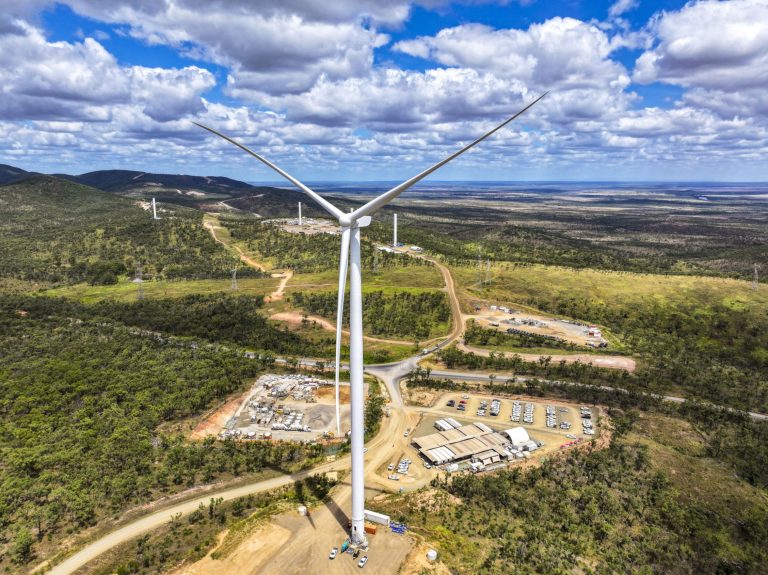
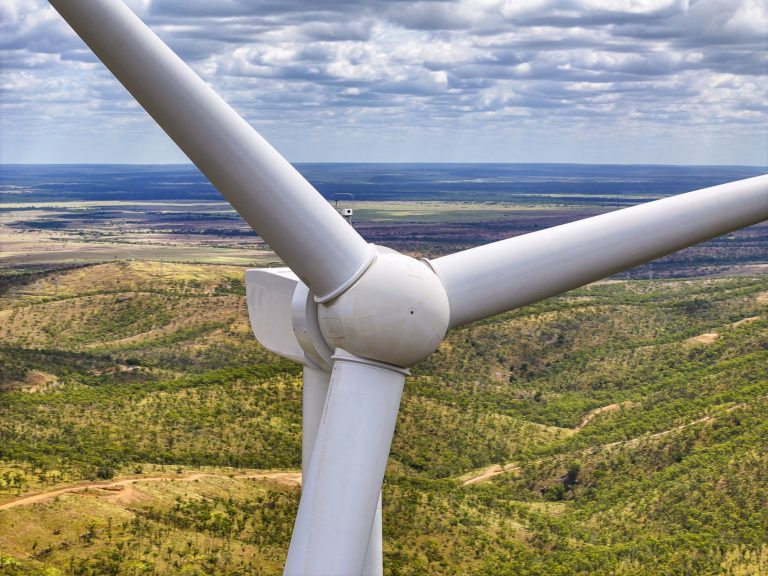
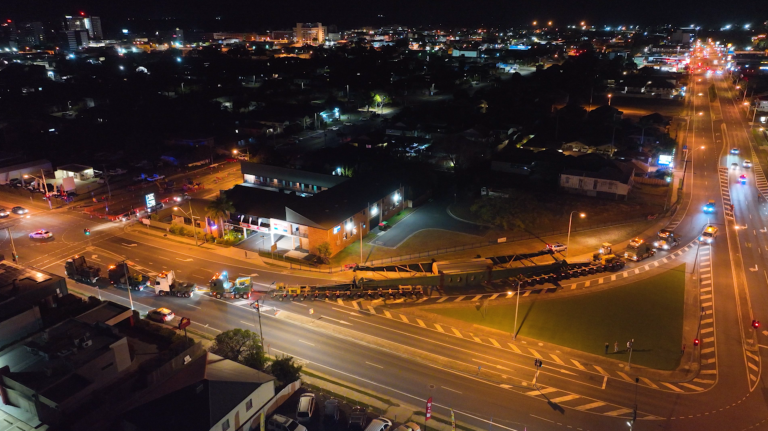
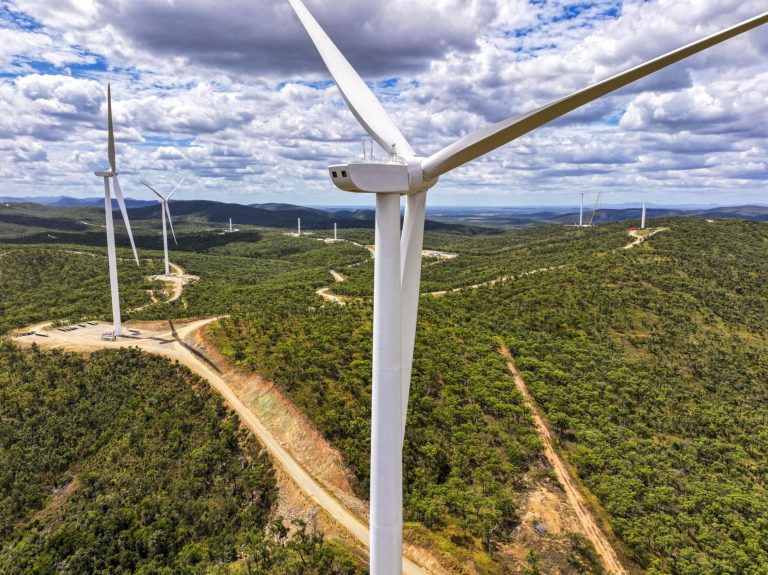
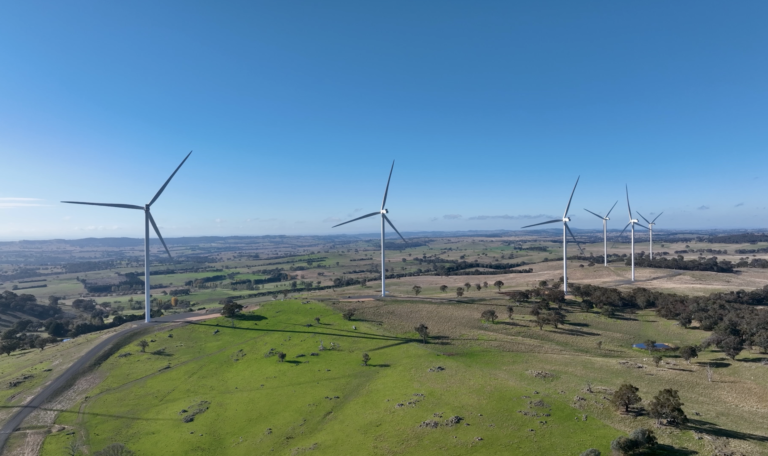
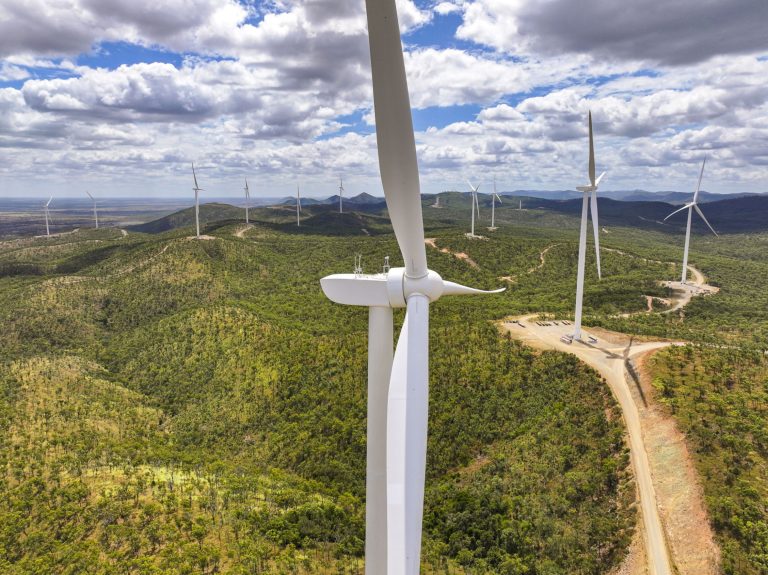
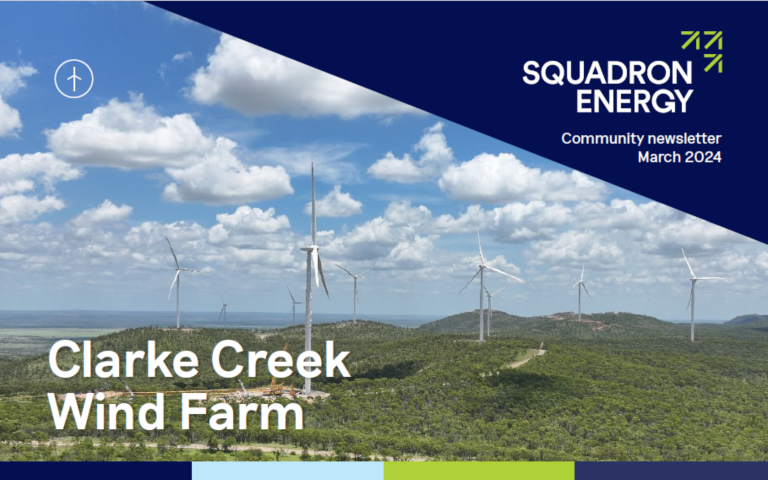
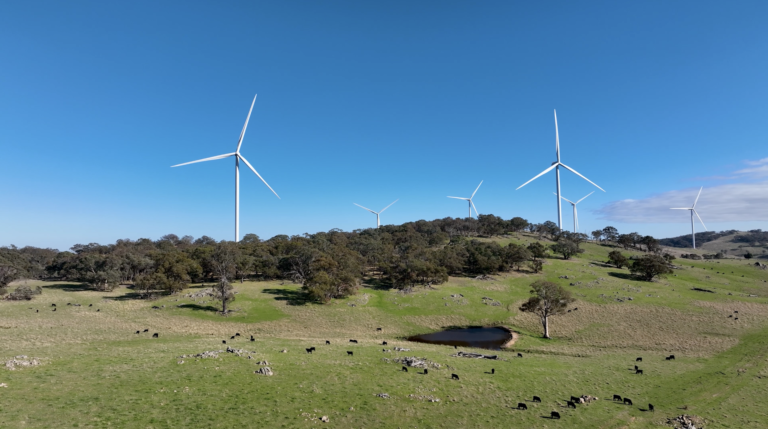
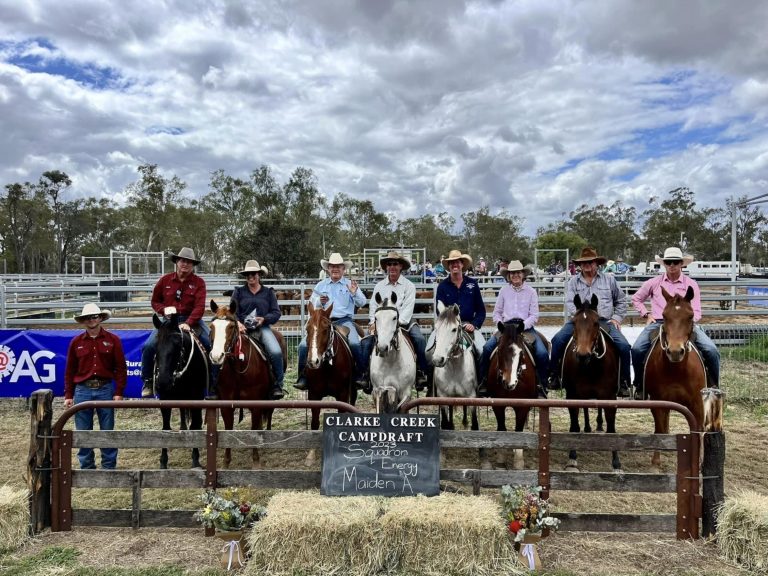
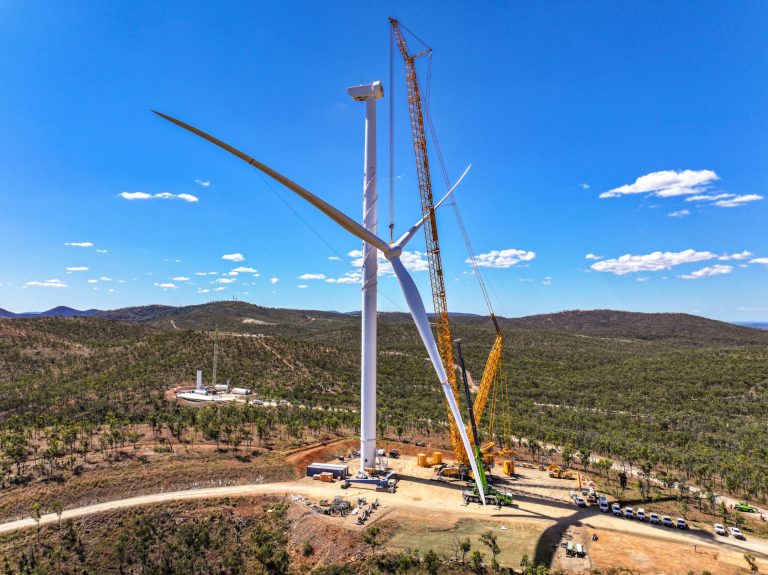
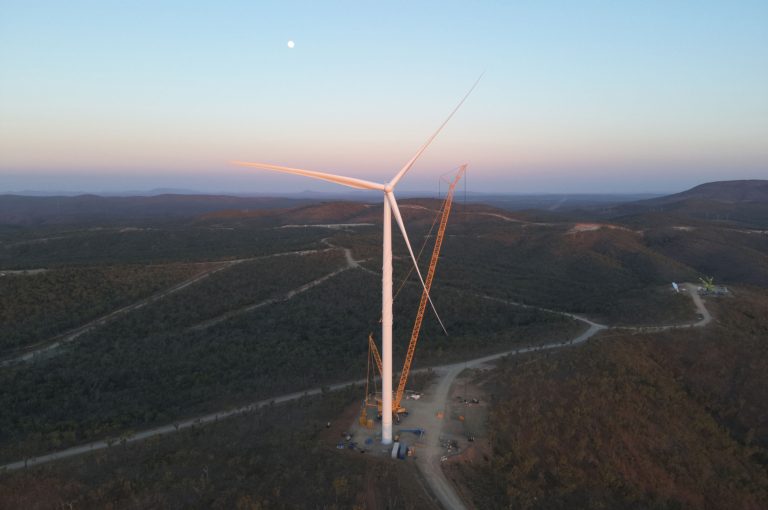
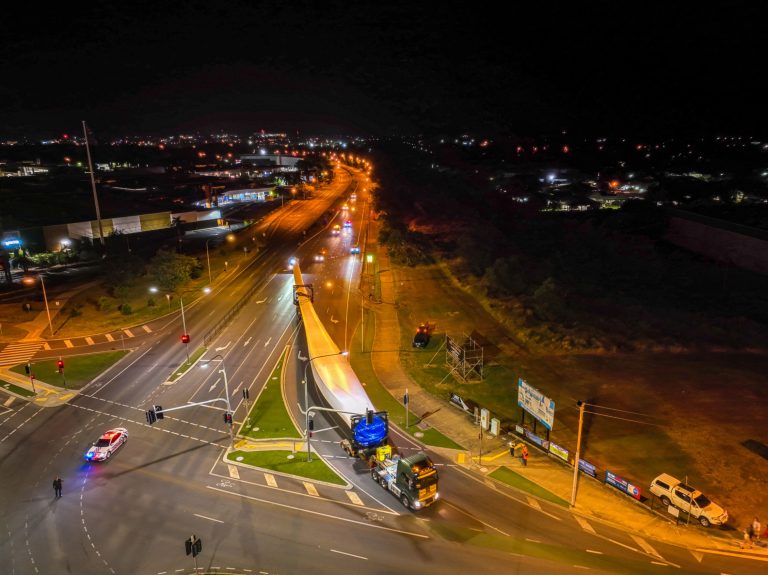
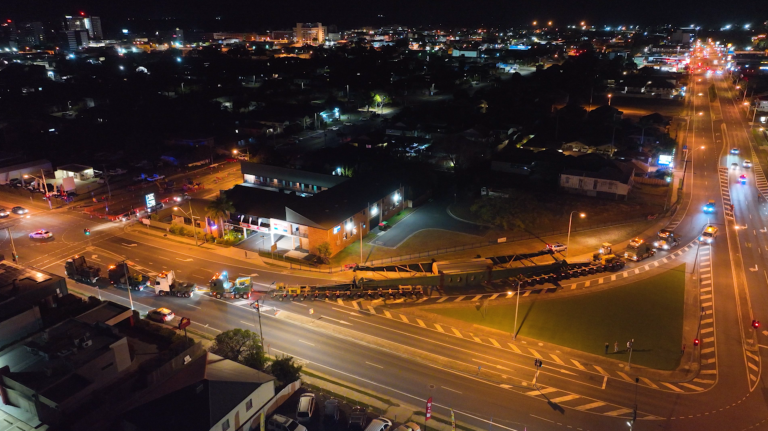
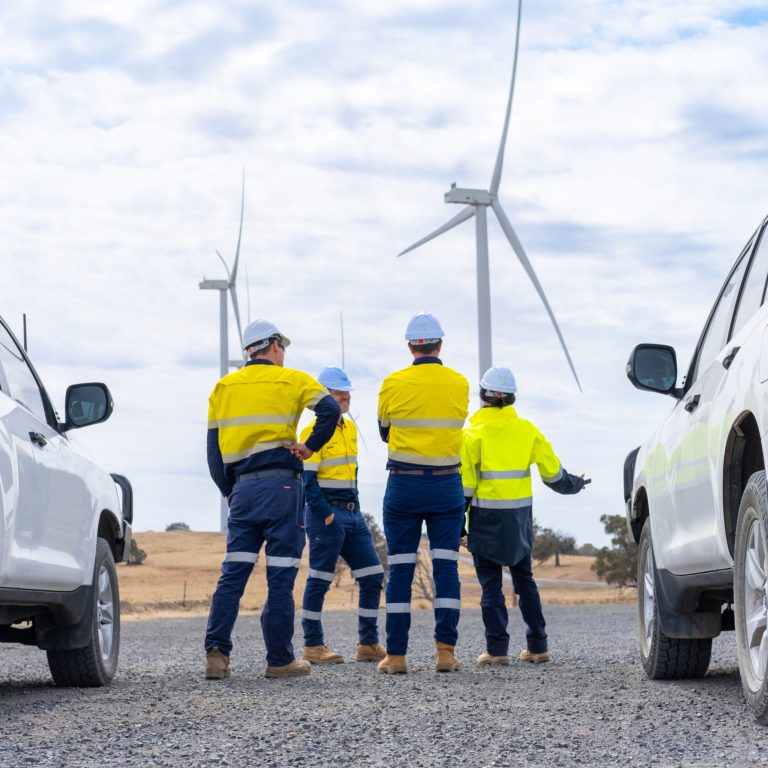
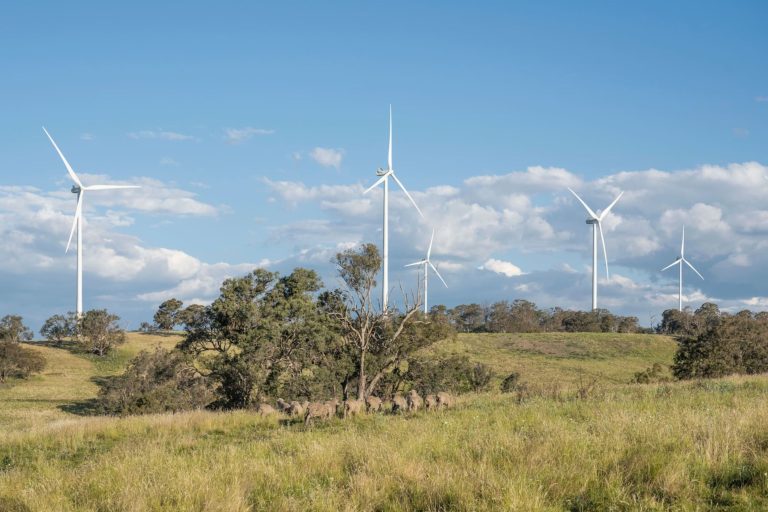
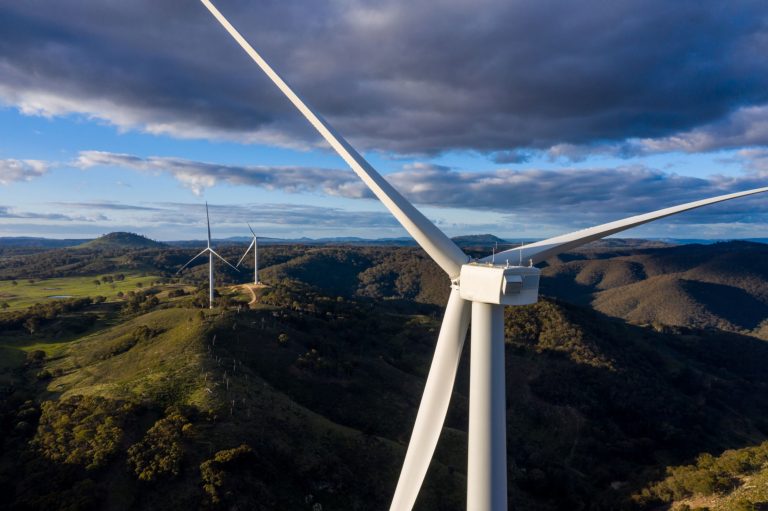
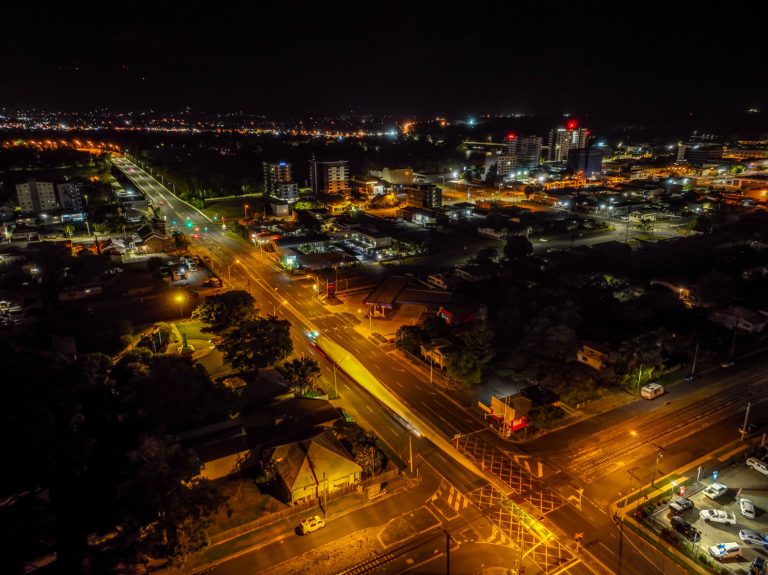
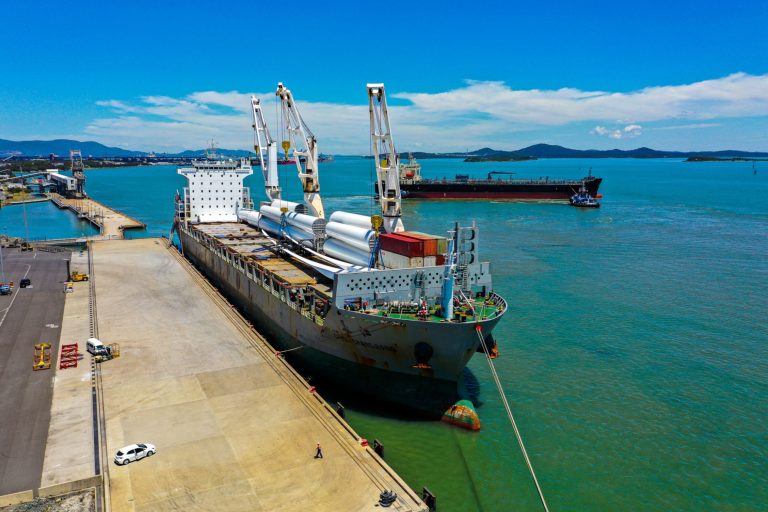
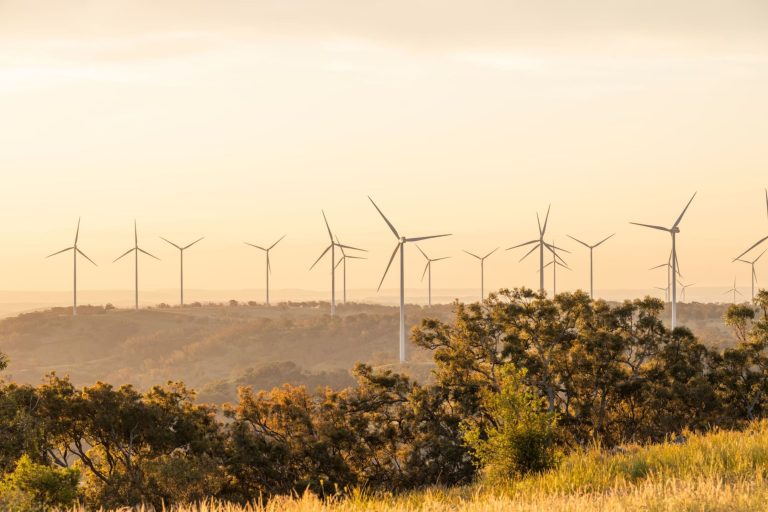
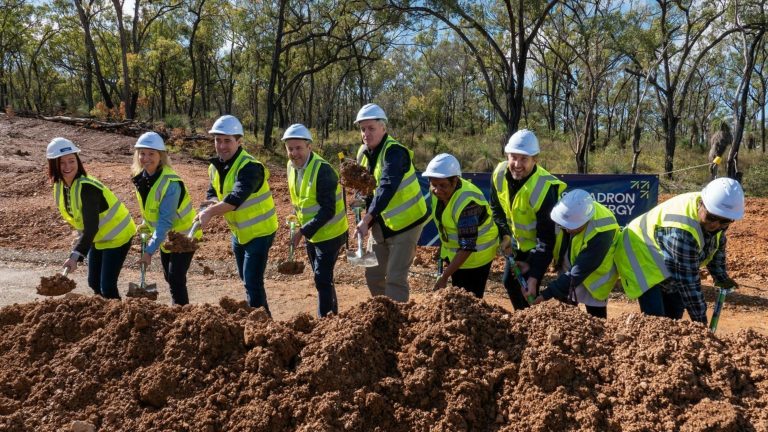
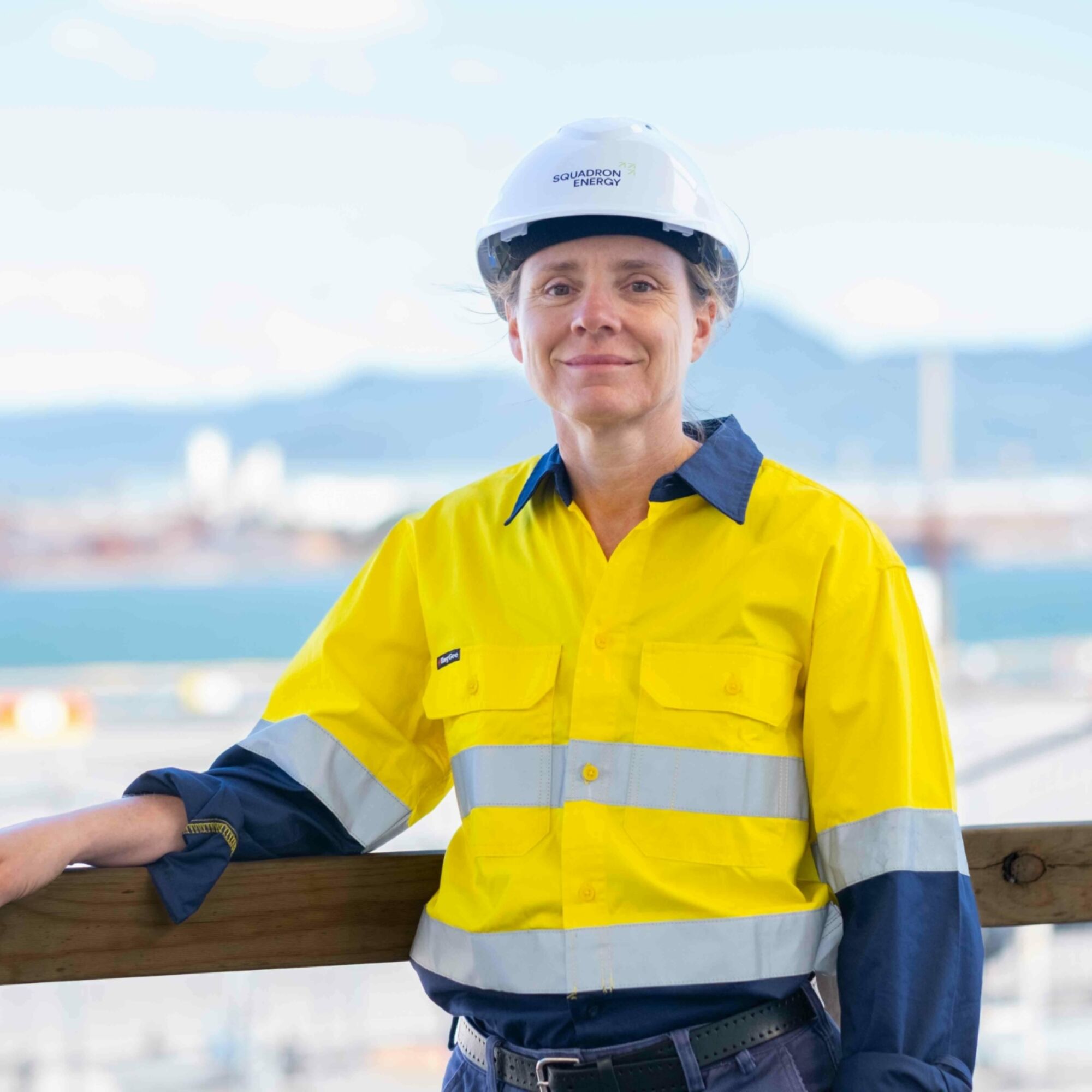
Stage One of the Clarke Creek Wind Farm is located 150km north-west of Rockhampton and 150km south of Mackay on the land of the Barada Kabalbara Yetimarala (BKY) peoples. The 450MW wind farm will produce enough electricity to power around 330,000 Queensland homes and avoid 738,000 tonnes of carbon emissions each year.
Applications are open for Squadron Energy’s Clarke Creek Wind Farm Community Benefit Fund for 2026. The fund supports community projects and initiatives within 50km of…
The Clarke Creek Wind Farm project team has successfully completed the installation of all 100 turbines, marking a major milestone for the project. Thank you…
A major milestone has been reached for Squadron Energy’s Clarke Creek Wind Farm after the project secured landmark financing. The financing was arranged with a…
Following proactive testing, Goldwind is remediating asbestos detected in a number of brake pads in the internal service lifts in turbines at Clarke Creek Wind…
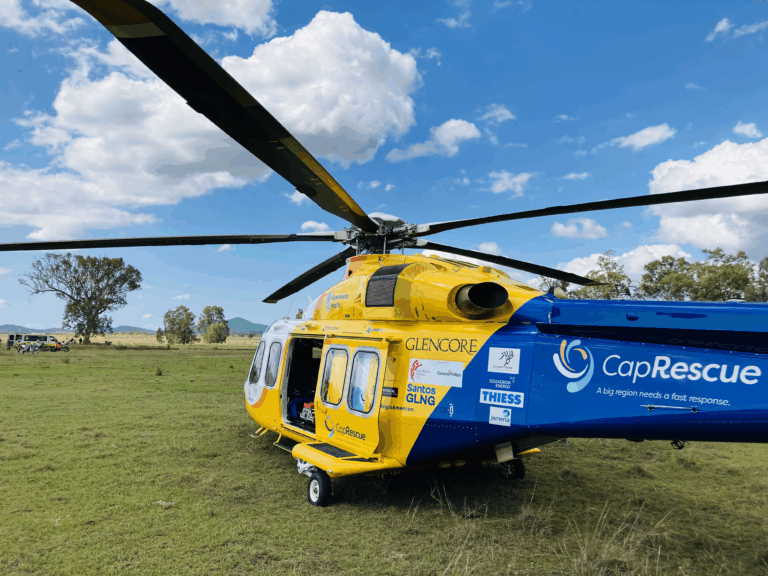
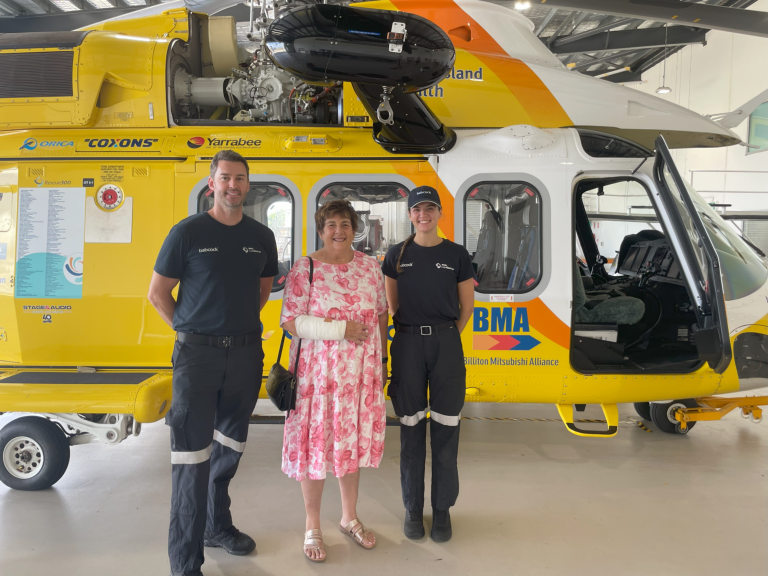
Air ambulance and rescue service CapRescue is making the transition to clean energy after installing solar panels on their Rockhampton base. The organisation made this…
Community programs and initiatives backed by Squadron Energy have been featured in the Best Practice Charter Report, highlighting the company’s commitment to community engagement and…
Construction of Clarke Creek Wind Farm is almost finished. The project team has completed the successful installation of 97 turbines at Clarke Creek Wind Farm,…
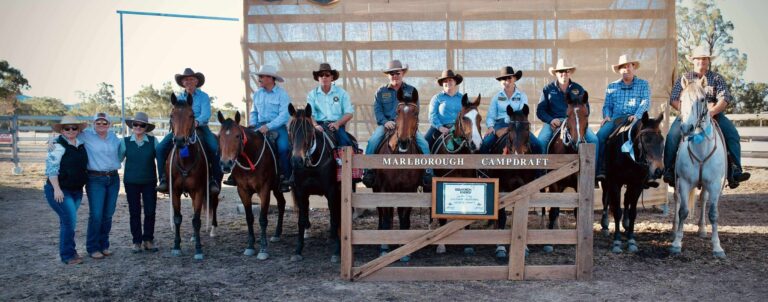
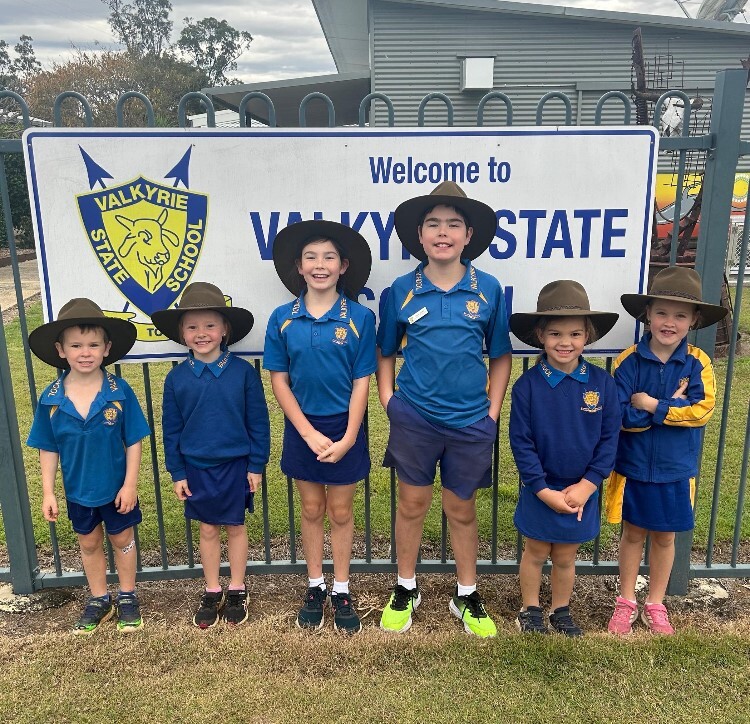
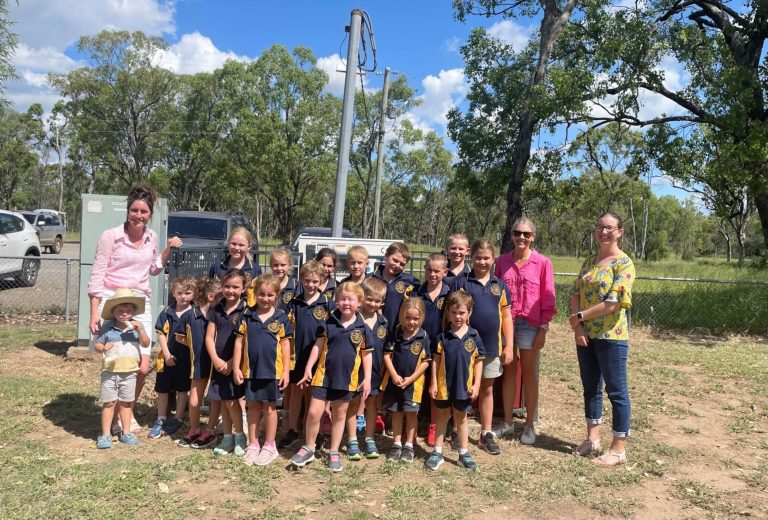
Squadron Energy, Australia’s leading renewable energy company, and iconic Australian hatmaker Akubra have joined forces to support Valkyrie School in Central Queensland, helping keep the…
Squadron Energy welcomes progress on the implementation of the Federal Government’s Developer Rating Scheme, which aims to promote best practice engagement among
Squadron Energy, Australia’s leading renewable energy company, welcomes the Queensland Government’s requirement for new wind energy developments to consult with
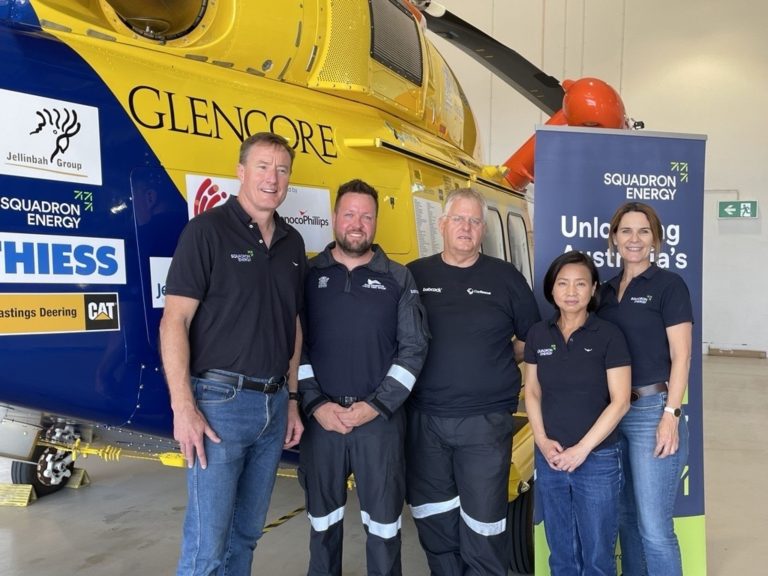
Squadron Energy’s continued support will contribute to the vital service providing essential air ambulance and rescue missions across Central Queensland.
The latest Electricity Statement of Opportunities (ESOO) from AEMO is a welcomed confirmation that renewable energy generation is on track to replace exiting coal
Identification and site selection is based on
an analysis of opportunities and
constraints including (but not limited to):
distance to the electricity grid, wind
resource and population density of the
surrounding community. Our team then
undertake a number of site visits and
consultation with landowners in the area.
Project identification and site selection
Step 2
Project feasibility and community engagement
Site-specific investigations are undertaken
to assess the impacts and opportunities of
the project and feedback is sought from
the local community.
Project feasibility and community engagement
Step 3
Primary Approvals
A development application is made through the State Assessment and Referral Agency for approval under the State Planning Act 2016. Further environmental assessment may be required under the Commonwealth Environment Protection and Biodiversity Conservation Act 1999, which includes an opportunity for public comment.
Primary Approvals
Step 4
Assessment and development consent
The project documents are assessed by the relevant government authorities. If determined, a development permit is granted at the state level with a range of conditions specific to the project, while at a Commonwealth level, numerous management plans need to be prepared and approved, and conditions such as those relating to disturbance limits must be met.
Assessment and development consent
Step 5
Post approval, contracting and financing
A lead contractor(s) to build the project is
appointed and all pre-construction
approvals and consents are finalised.
During this phase, the lead contractor(s) is
provided with a list of local businesses that
have registered their interest and
capabilities through the project website.
Post approval, contracting and financing
Step 6
Procurement
During this phase our lead contractor(s)
seek tenders and engage contractors and
suppliers to undertake the scope of the
works. Orders are then placed for major
components such as the wind turbines.
Procurement
Step 7
Early works and design
Initial site activities commence, such as
minor clearing and provision of access
roads along with establishing a site
construction compound. Off-site detailed
design works commences in parallel.
Early works and design
Step 8
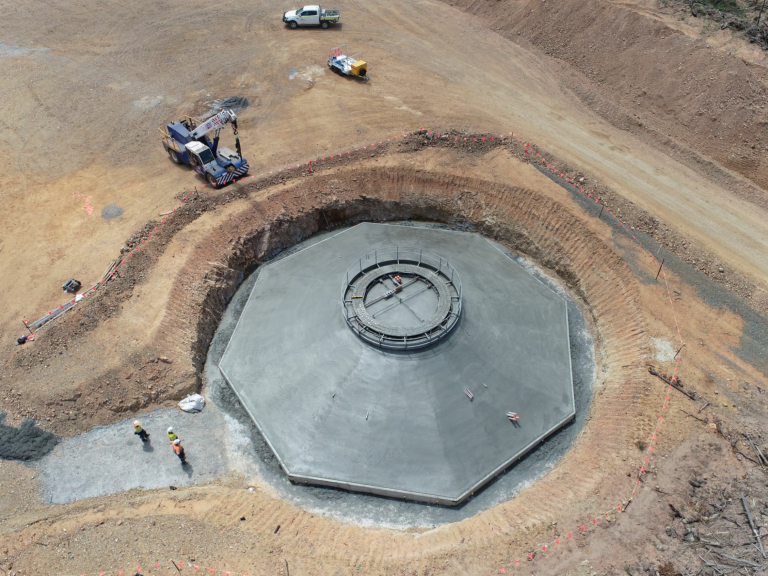
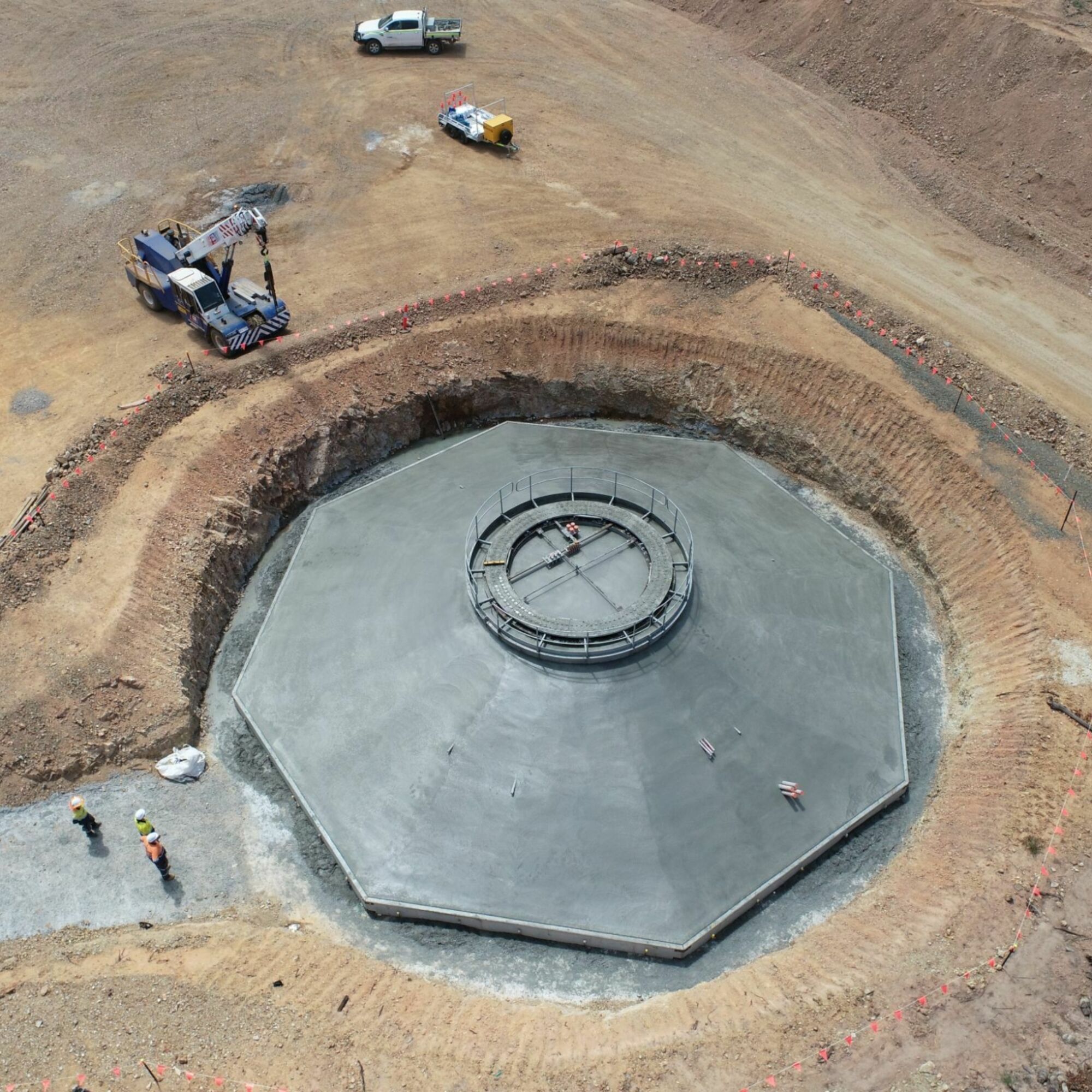
Major civil works
During this phase of the construction the
bulk of the civil works takes place. This
includes the construction of new internal
access roads, excavation and construction
of the turbine foundations, installation of
the internal electrical reticulation system,
construction of the high voltage substation
and main transmission line network.
Major civil works
Step 9
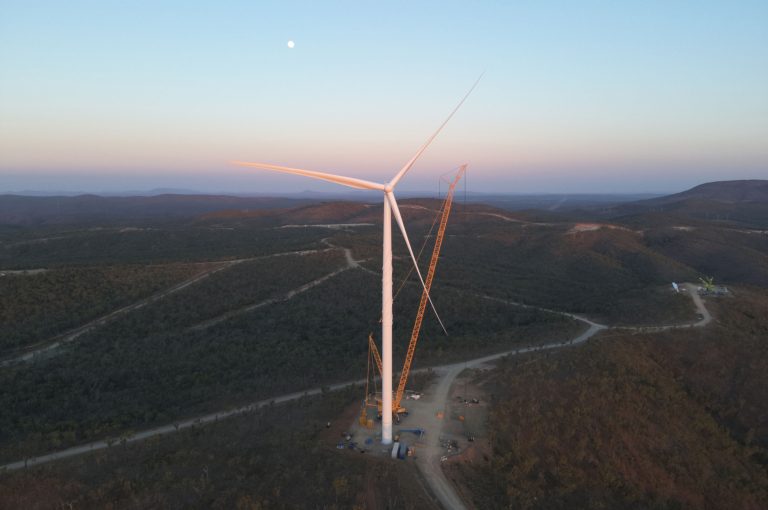
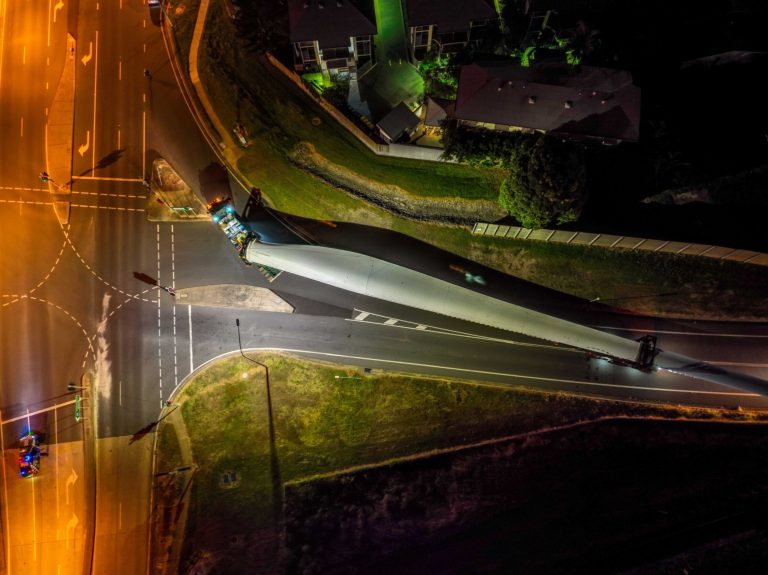
Wind turbine erection
This is where the visual aspect of the wind
farm starts to emerge, with large cranes
lifting the tower sections, nacelle, hub and
blades into place.
Wind turbine erection
Step 10
Commissioning
In order to export power to the grid, each
turbine is required to undergo several
performance tests. It is during this stage
that you will start to see turbines spinning
and ultimately the whole of the wind farm
complete.
Commissioning
Step 11
Operations
The project is operating in accordance with
relevant approval conditions and
management plans. Compliance with
conditions of approval and management
plans is monitored as required throughout
the life of the project.
Operations
Step 12
Decommissioning
The design life of the wind turbines will be at
least 30 years. At the end of their useful
life, the wind turbines and electrical
equipment will be either replaced and the
wind farm repowered, or the project will be
decommissioned, and the site returned to
its original use at the expense of the
project.
Decommissioning
Our community approach
Community Investment
Giving back
to the community
Clarke Creek Wind Farm is committed to building and maintaining relationships with the local community. The project team aims to keep an open dialogue with the local residents, stakeholders and the wider community to ensure successful exchange of information, consultation and engagement.
Clarke Creek Wind Farm aims to be an active member of the local community by supporting local initiatives and events.
A community fund of $200,000 each year will run for the life of the project.
The aim of the community fund will be to provide funds to enhance and enrich community initiatives throughout the local community.
Funding applications will be considered from all sectors, including but not limited to public health and wellbeing, environmental sustainability, skills and education (including scholarships), recreation and cultural activities.
Applications will be evaluated by the Community Consultative Committee (CCC), or a sub-committee, who will determine how best to distribute the funds.
Squadron Energy is Australia’s leading renewable energy company that develops, operates and owns renewable energy assets in Australia. We are 100% Australian owned and we are here for the long term. We have 2 gigawatts (GW) of renewable energy in operation and under construction. With proven experience and expertise across the project lifecycle, we work with local communities and our customers to lead the transition to Australia’s clean energy future.